















AfricaTD
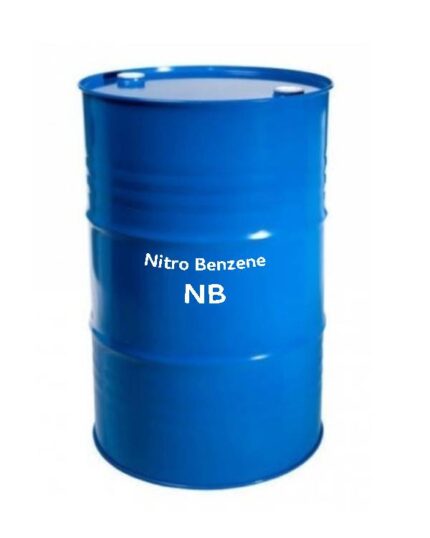
Nitro Benzene (NB)
NB is a precursor to faric dyes and it also used to mask unpleasant odors in shoe and floor polished, lether dressing, paint solvent and other material.
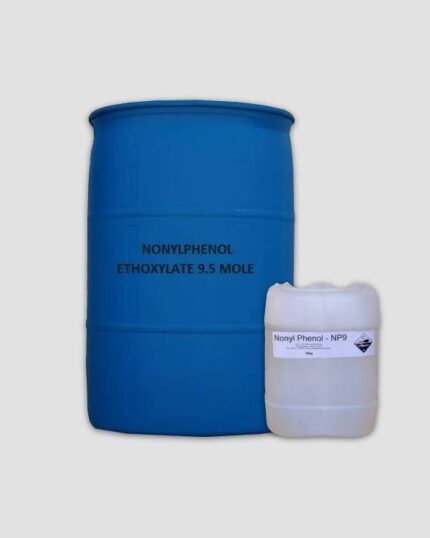
Nonylphenol Ethoxylates (NPE 9, 10, 20, 30, 40)
Nonylphenol Ethoxylates (NPEs) are nonionic surfactants which are such as all kinds of other nonionic surfactants mixtures varying in the number of repeating ethoxy groups. The digit which is appeared after the name of KENON shows the average number of ethylene oxide units in the Nonylphenol Ethoxylate molecule.
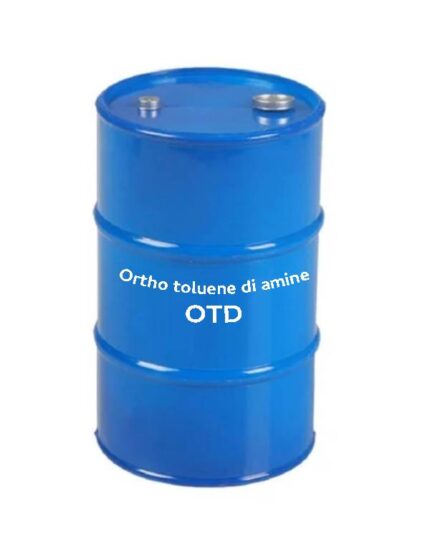
Ortho toluene di amine (OTD)
This compound, along with other toluenediamines, is used in the production of dyes, hair dyes, and other cosmetic colors.

PBR TJPC
TJPC’s rubbers, produced by the solution polymerization process, have a very high elasticity and degree of resistance to dynamic stress and retain these properties even at extremely low temperature. Blending natural rubber or styrene butadiene rubber with PBR improves the abrasion resistance, crack resistance and heat build-up under dynamic load.

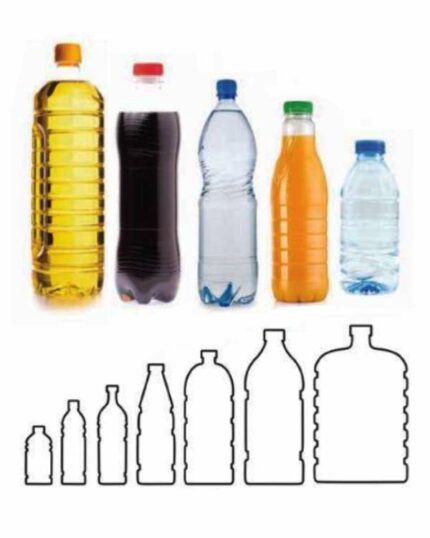
PET (Polyethylene Terephthalate)
Typical Application
- Packaging all kinds of carbonated drinks
- Packaging food
- Edible oil
- Carbonated water
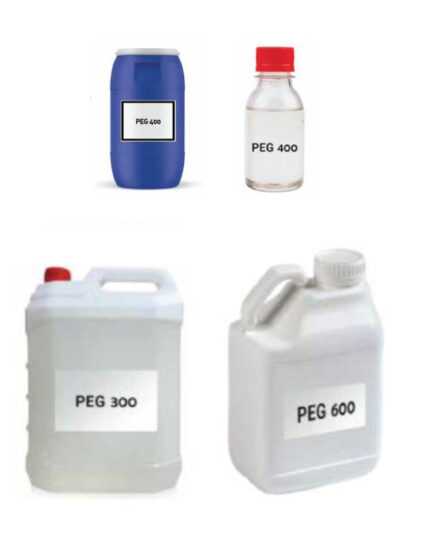
Poly Ethylene Glycol (PEG)
Polyethylene glycols (PEGs) are condensation polymers of ethylene oxide and water with the general formula H(OCH2CH2)nOH. They are the most commercially important type of polyether. The low molecular weight compounds up to 700 are colorless, odorless viscous liquids with a freezing point from -10˚C (diethylene gycol), while polymerized compounds with higher molecular weight than 1,000 are wax like solids with melting point up to 67˚C. While PEGs with different molecular weights find use in different applications and have different physical properties (e.g. viscosity) due to chain length effects, their chemical properties are nearly identical.
The numbers that are often included in the names of PEGs indicate their average molecular weights, e.g. a PEG with n=9 would have an average molecular weight of approximately 400 and would be labeled PEG 400. Most PEGs include molecules with a distribution of molecular weights, i.e. they are polydisperse.
PEGs are soluble in water and most organic solvents.

PP (Co Polymer)
Typical Application
Lamination
Packaging of stationary
Packaging of food
Containers
Filters
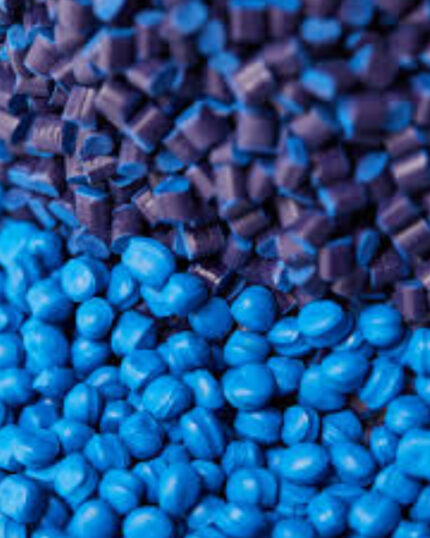
PP (Homo Polymer)
Typical Application
Heavy Duty Jumbo bags
Furniture
Caps
Closures
Toys
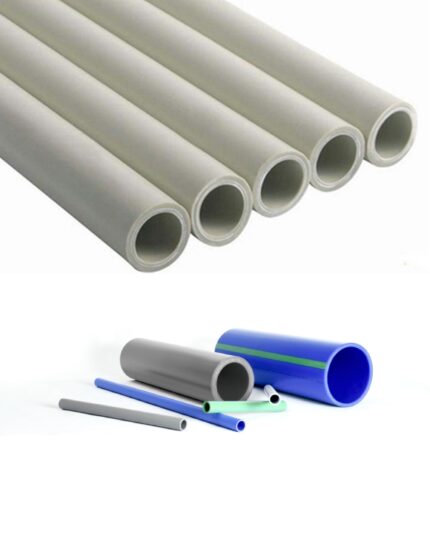
PP PIPE
Typical Application
- Industrial pressure pipe
- Hot & cold water supply
- Services pipes
- Industrial water conversance
