




Brazing sheet is a composite material typically consisting of a core alloy and one or more liner alloy that are metallurgically
bonded (Clad) to the core alloy.
Navard is the only company in Iran that is capable of manufacturing aluminium brazing sheet.
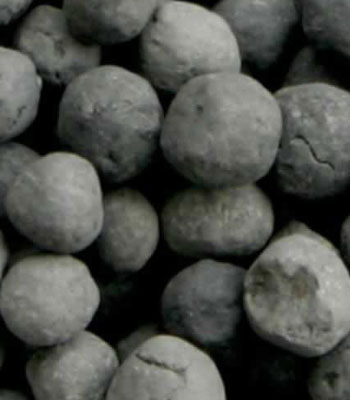
Direct Reduced Iron (DRI)
0,00 €Direct Reduced Iron (DRI) is the product of the direct reduction of iron ore in the solid state by carbon monoxide and hydrogen derived from natural gas or coal.
Most gas-based direct reduction plants are part of integrated steel mini-mills, located adjacent to the electric arc furnace (EAF) steel plant. DRI can be either hot or cold charged to the EAF. Some steel companies ship DRI from their captive direct reduction plants to their remote steel mills and a small volume of DRI is sold to third parties. In India there are many small rotary kiln furnaces producing DRI, known locally as sponge iron, using coal as energy and reductant source. Some of the sponge iron plants are captive to steel mills, but there is a significant domestic merchant market, India producing 57% of its crude steel in electric arc furnaces (2016).
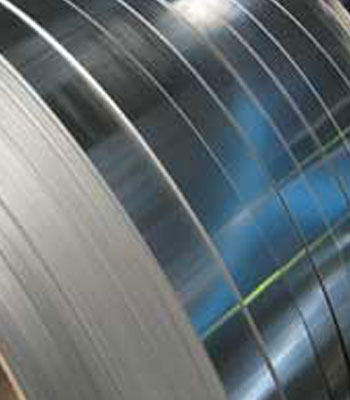
Clad (Aluminum Brazing Sheet)
0,00 €Aluminum Clad
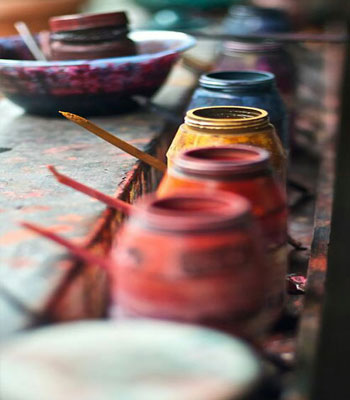
Pigment dyes
0,00 €Pigment dyes do not have any tendency of absorption or permeation in fabrics for this reason with the help of a special glue called binder they will be attached to the fabrics. With attention to the fact that dyes attach to the fabrics; after the process of dying, there is no need to wash the fabric and makes this method so cost-effective. Other characteristic to be mentioned: Printing of pigment usually is done on low-price fabrics. Their rubbing fastness is very high. Working with these dyes does not require any extra effort.
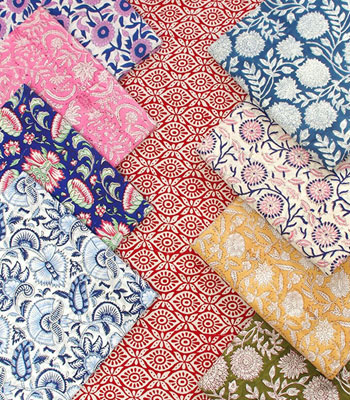
Cotton Fabric
0,00 €Between syntactic and non-syntactic fibers, cotton fibers for their special properties, are more useful.Because of their low weight, Cotton fabric considers the best choice for summer clothes.
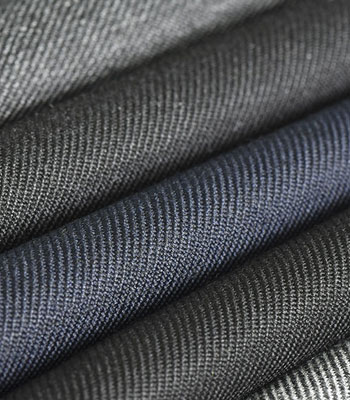
Polyester-viscose fabric
0,00 €The reason behind blending these two fibers is to improve the strength, durability, color, and texture. And also decrease the cost of making the before said fabric. One of the most useful blended fabric, which is used in the textile industry, is polyester – viscose (35/65, 25/75, 33/67) with polyester using in the highest percentage in the form of single-ply and two-ply yarn.
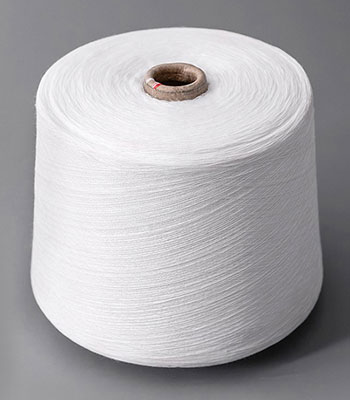
White Yarn
0,00 €A textile yarn is a continuous strand of staple or filament fibers arranged in a suitable form for weaving, knitting, or other form of fabric assembly. Also, a yarn is a textile product of substantial length and relatively small cross-section consisting of fibers with twist and/or filaments without twist. The yarn can be twisted with one or more yarns to increase value or aesthetics.
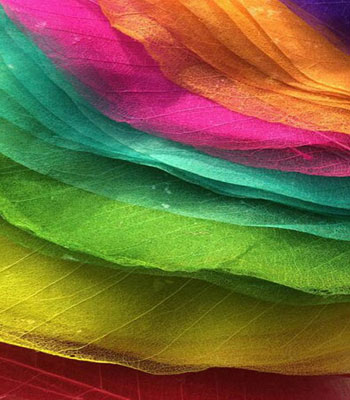
Disperse dyes
0,00 €Disperse dyes are Non-ionic and Insoluble in water with Molecular weight Of 300-800 g/mol which uses for Cellulose triacetate and non-synthetic fibers in the form of dispersing. At first. They only use to dye Cellulose triacetate but now disperse dyes are a good choice for dying all types of fibers. Disperse dyes enjoy the perfect property of leveling and because of this reason in the process of utilization of them; there is no need to used leveling materials.
Polyester fibers
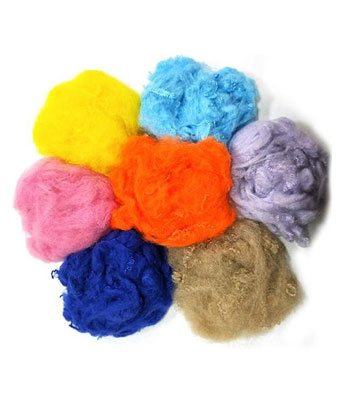
0,00 €These synthetic fibers are produced from the polymerization of the viscosity of dimethyl terephthalate or Terephthalic acid and Ethylene glycol in the procedure which is named melt spinning. Polyester fibers are found in the market with other commercial names such as Dacron and Terylene. These fibers are used in making carpets, floor coverings, and sleeping products like pillows, quilts, mattresses, and dulls. Also Polyester fibers are mainly used in garments, clothes, different types of textiles. Their resistance against constant, heavy movements and their water resistance make them count as a perfect fiber to use as an ideal fiber in wet and humid environments.
Cotton fibers
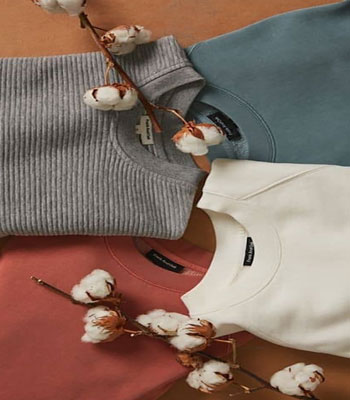
0,00 €Cotton is made from the fibers that cover the cottonseed. Cotton fibers are considered as main and natural fibers. These fibers are often used in yarns and spinning procedures. And also because of their low cost, they are broadly used in fabric making. The average length of cotton fibers is around 14-36 mm and a diameter of 15-20 mic.
Viscose Fibers
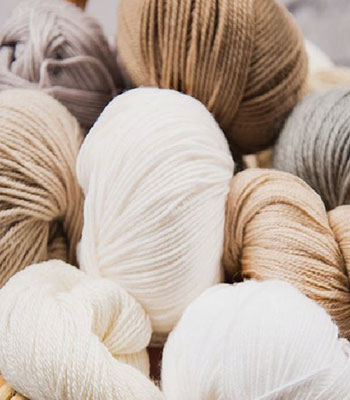
0,00 €Viscose is a semi-natural fiber that can absorb moisture nicely and in some cases 50 % more than cotton fibers. It is good to know with absorbing moisture, the tenacity of these fibers is reduced. Therefore, if the fabric which is made of these fabrics gets wet, the tenacity of fibers weaken and the fabric life decreased. Also, viscose fibers can dye fast and can be easily dyed with several colors.
Viscose Yarn
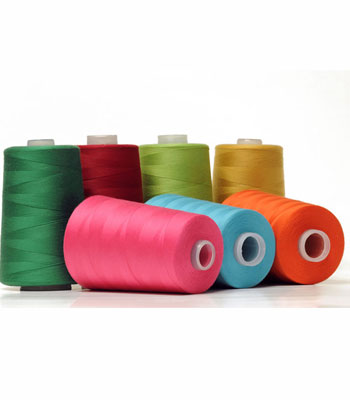
0,00 €Viscose is a man-made fiber- recycled fiber- and is the most important member of the Rayon’s fibers family. The raw material used for production of the viscose fibers are cotton linter and wood cellulose (mainly trunks of forest trees), which is a disadvantage of the viscose fibers since it damages the environment. The cross-section of viscose fiber is wavy and with lengths similar to cotton, linen, and wool fibers.
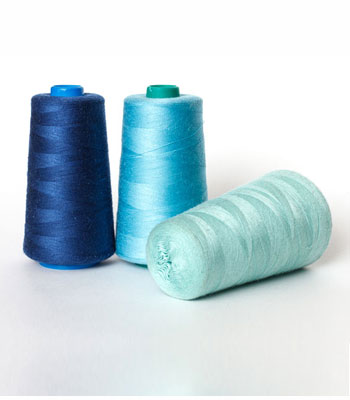
Polyester Yarn
0,00 €The largest share of produced yarns including synthetic and natural is made up of the polyester fibers. Polyester fibers, like all other synthetic fibers, are manufactured industrially. In terms of characteristics, they are good alternative for natural fibers, such as cotton. To produce polyester, the combination of dimethyl terephthalate and polyethylene glycol or terephthalic acid (a substitute for dimethyl terephthalate) is used in the vicinity of proper catalysts.
