













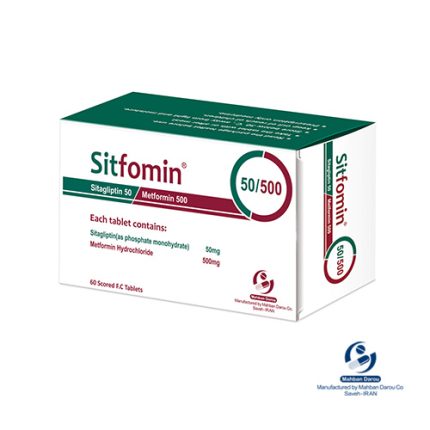
Sitagliptin/Metformin
Sold under the brand name Janumet among others,
is a fixed-dose combination anti-diabetic medication used to treat type 2
diabetes.

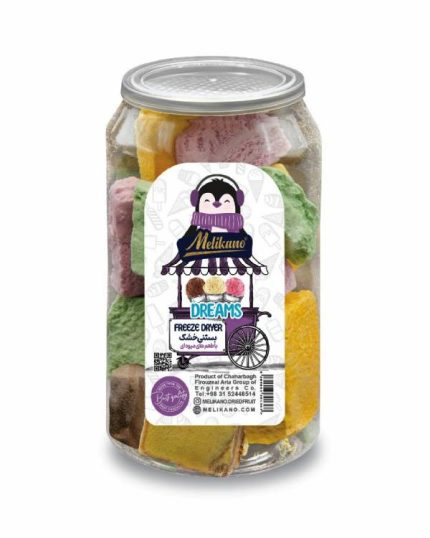
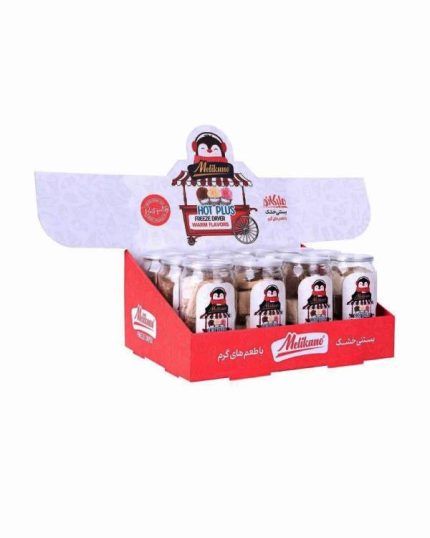
Freeze dried ice cream
Net Weight: 60 g
Package: plastic pet shell
Ingredient: ice cream
Shelf life: 1 year
Flavors: Strawberry, Melon, Mango, Tropical fruits
✔ No GMO
✔ No chemical preservatives
✔ No additional sugar

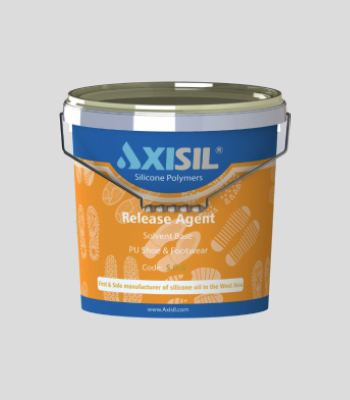

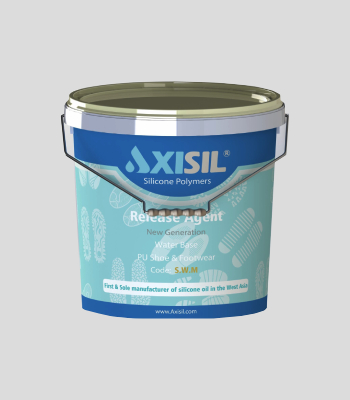
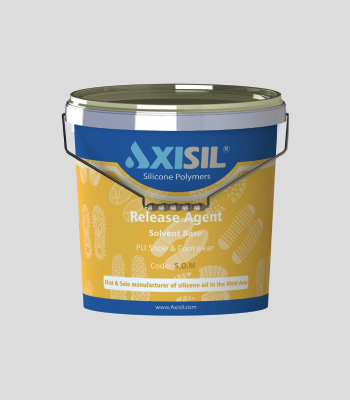
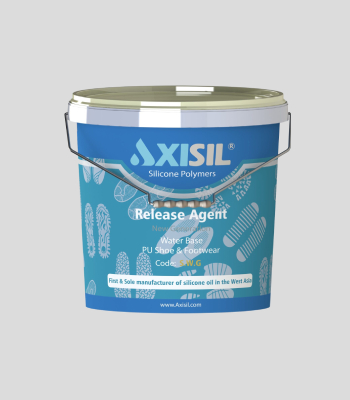
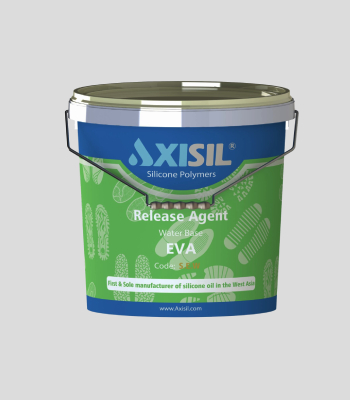
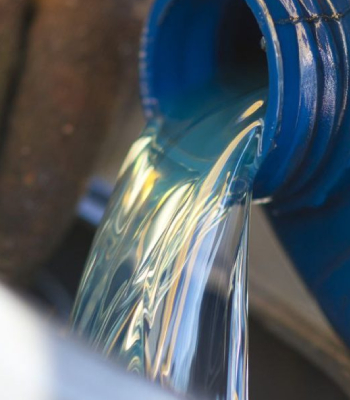
Silicon Oil
Silicone oil is a type of synthetic polymer composed of silicon, oxygen, carbon, and hydrogen atoms. Due to its unique properties, this product is used in various fields ranging from industry to medicine. For example, silicone oil is used as a lubricant in different mechanical systems such as bearings and gears because it reduces friction and provides high thermal stability. Interestingly, silicone oil is also used in cooling systems for electronic devices and thermal baths. In this article, we intend to answer your frequently asked questions about silicone oil. Silicone oil is used as a base in the formulation of silicone grease. Compared to other synthetic oils, the silicone oil base provides excellent lubricating properties and thermal stability over a wide range of temperatures.
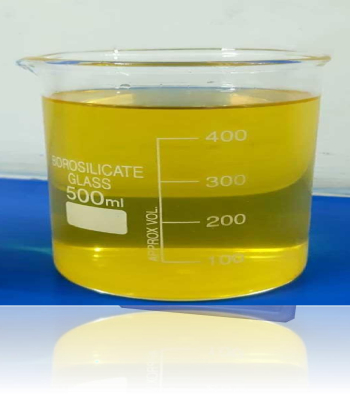
Sodium Hypochlorite
Sodium Hypochlorite and its uses:
Sodium hypochlorite is a yellow liquid with a purity of 16%, and with the chemical formula Naocl. This yellow liquid is mostly used for disinfecting water and wastewater.
Its most common use is in water treatment such as pool treatment and wastewater treatment.
It can also be used to remove stains on fabrics such as blood and coffee stains, eliminate odors, disinfect tooth roots in dentistry and prevent infection, and whiten ceramic surfaces.
Aluminum sulfate
Uses and Properties of Aluminum Sulfate:
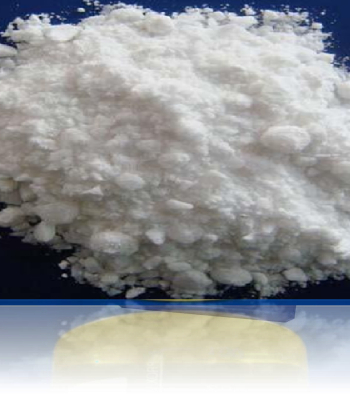
Aluminum sulfate is a chemical compound that has various industrial and domestic applications. It is commonly known as alum or papermaker’s alum due to its extensive use in the papermaking industry.
Aluminum sulfate, with the chemical formula Al2(SO4)3, is a white crystalline powder that dissolves easily in water. It is made by reacting sulfuric acid with bauxite, a naturally occurring aluminum-rich mineral.
Aluminum sulfate has other uses besides water purification such as gardening, construction industry for concrete hardening and waterproofing applications. It can even be found in some personal care products such as deodorants.
Other uses include the following:
Water purification, soil PH conditioning, paper production, dyeing and textile industries, wastewater purification, leather tanning, agriculture and chemical fertilizers, construction and concrete industries, etc.
Sulfuric Acid
Sulfuric acid and its uses:
Sulfuric acid, which was previously called sulfur ink, is a very strong acid that dissolves in water at any percentage and its chemical formula is H2SO4. Therefore, sulfuric acid is a liquid with a high boiling point and is also a viscous liquid (with high viscosity).
Sulfuric acid is a very strong mineral acid that naturally occurs in gases emitted from volcanoes and dissolves in water at any percentage .
Sulfuric acid can also be used in the preparation of chemical fertilizers, phosphoric acid, normal superphosphate fertilizer, mineral and metal industries, including (extraction of copper, lead and zinc metals, steel and iron industries) to purify other minerals such as gold and copper-silver ores. This acid is also used in the production of copper sulfate (copper sulfate), manganese sulfate, nickel sulfate, various types of iron sulfate (green alum and white alum), sodium sulfate, and zinc sulfate.
Production of methyl methacrylate from the acetocyanohydrin method Production of caprolactam and production of ammonium sulfate by-product Fluoric acid from fluorspar ore
Titanium dioxide from the sulfate process Acrylonitrile from propylene
Explosives such as nitroglycerin, nitrocellulose and nitrobenzene Production of hydrochloric acid from sulfuric acid and table salt Chromic acid and bichromates
Citric acid from sulfuric acid and calcium citrate Boric acid from sulfuric acid and sodium borate Resorcinol from benzene
Furfural from pentocene and sulfuric acid Isopropyl alcohol and ethanol from olefins
Phenol from cumene and sulfuric acid
Refining of motor oil, production of car batteries and battery water, In salumbur factories for soaking hides and removing fat
In the leather industry for removing fat from raw leather In preparation and spinning and dyeing units Wool
In the rubber industry for washing and pH control
In the textile industry for stabilizing the color of fabrics and yarns and neutralizing
In vegetable oil factories for removing grease from machinery and preparing grain residue for feed
In some powder and liquid detergent units for sulfonation and producing degreasing and degreasing solutions
Sewage pipes and tile washing
In the paper industry for pH control and paper purification and removing mineral impurities
In the chlorine production industry in diaphragm cells for drying and dehydrating chlorine gas
Sodium Benzoate
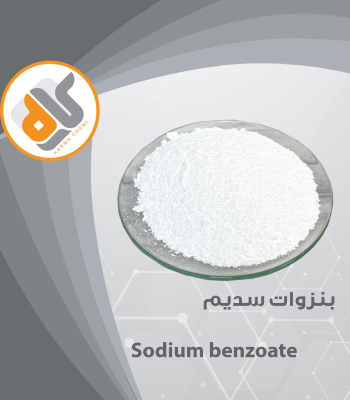
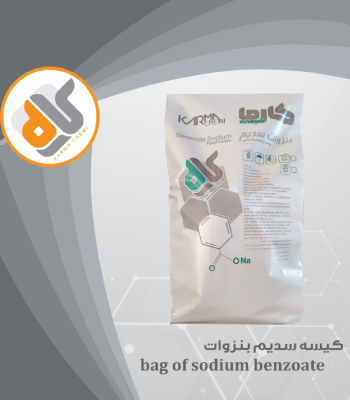
Sodium benzoate is a type of preservative used to extend the shelf life of ready-made foods and beverages.
Benzoic acid itself is a good preservative, and when combined with sodium hydroxide, its solubility in solutions is improved.
Sodium benzoate is not naturally produced,
but the benzoic acid required for its production can be found in plants such as tomatoes, strawberries, apples, plums, and in certain stems like cinnamon. It can also be obtained from cloves.
Additionally, benzoic acid can be produced by certain bacteria during the fermentation process, such as in yogurt production.