



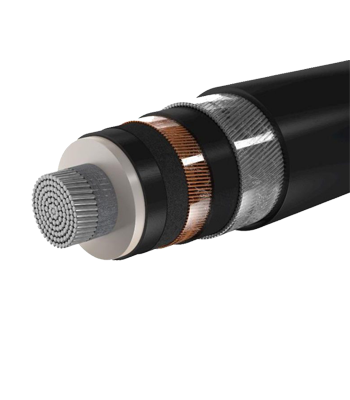
Unarmoured Single Core Oil, gas & petrochemical solutions
0,00 €Oil, gas & petrochemical solutions
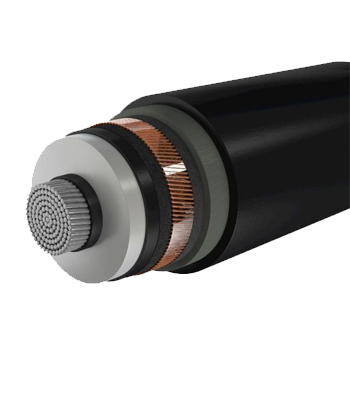
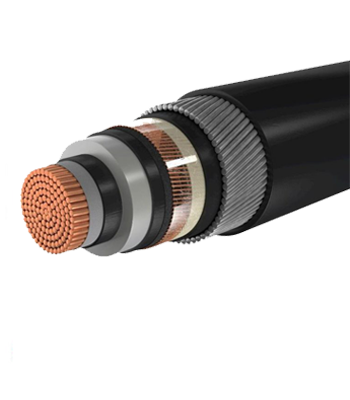
Unarmoured Single Core Cu/SC/XLPE/SC/SCT/CWS/PVC
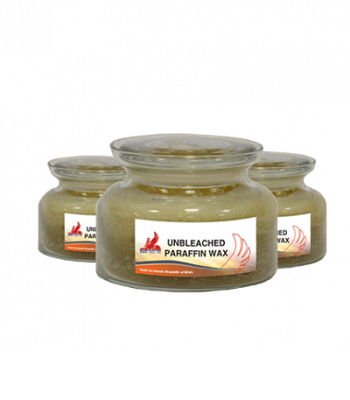
Unbleached-Raw material
0,00 €Applications
- Candles, torches, tapers, matches, floor polishes
- Car polishes , corrosion protectors
- Electrical industries, cable filling compounds
- Tires and rubber products, as ozone protection
- Paper production
- Carbon paper , crayons and pencils
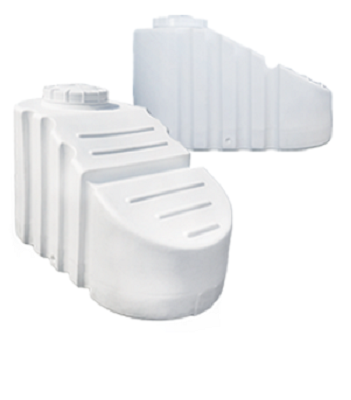
Under the stairs tanks
0,00 €| Model : | – |
| Description : | Suitable for storing food and drinking water,Located under stairs, light,avoid transfering heat via layers,avoid the growth of algae |
| Company name : | Tabarestan Plastic Complex |
| Packaging : | – |
| Minimum order : | 1 |
| Standard : | ISO 9001:2015, ISO 22000:2018 |
| Production power : |
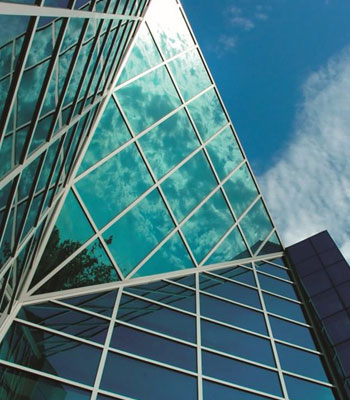
Unitised Facades Glass Facade
0,00 €Unitised panels typically include a structural framing system, sheathing, weatherproofing, insulation and exterior wall cladding. Today, most construction projects are subject to intense time pressure.
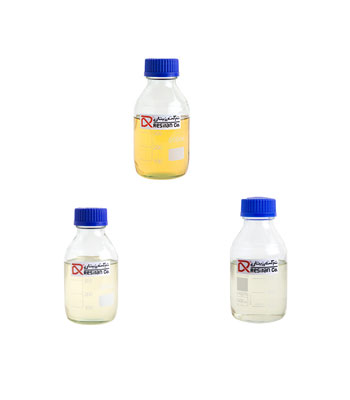
Unsaturated Polyester Resins
0,00 €Solvent-based polyester resins have excellent characteristics, with a wide range of applications. They have high resistance to abrasion, impact and cracking. They are mostly applied in coatings used on metal sheets, can coating, coil coating and automobile paints. They are also used in anti-corrosion coatings on iron- steel structures that have epoxy-based primers.
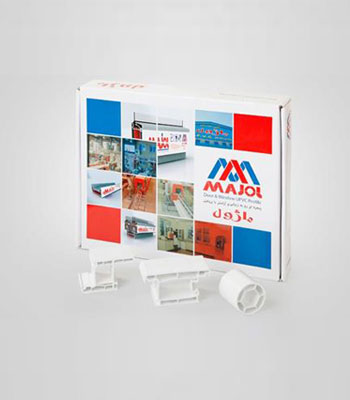
UPVC Door and Window Profiles containing Nanoparticles
0,00 €Introduction
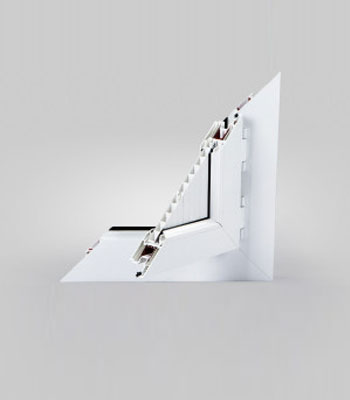
UPVC Nanocomposite Profiles
0,00 €Introduction
This product is unplasticized polyvinyl chloride (UPVC) nanocomposite profile containing nanoparticles. UPVC is among the widely used polymers in building construction which is the more suitable option compared to metal and wooden profiles due to features such as high durability and performance, easy formability, low thermal expansion, prevention of the energy loss and non-flammability. However, the brittleness and loss of color during exposure to UV radiation are some disadvantages of these profiles. as a solution, nanomaterials are added to the UPVC which improve the impact strength of the product.
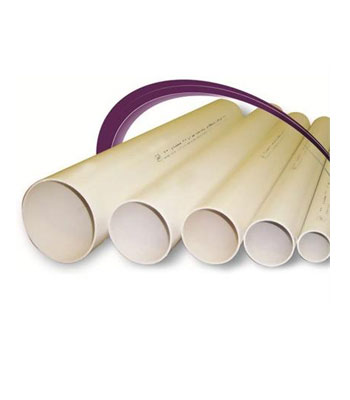
UPVC Rainwater Pipe
0,00 €Introduction
Rainwater pipes are used to transfer the rain and snow water from roof of the buildings. Polyvinyl chloride (PVC) is kind of useful plastics in construction and buildings. By adding lubricants, this material will become softer and more flexible than plastics. If no lubricant and plasticizer is added, UPVC is obtained. Chemical resistance of this polymer makes it interesting for a variety of industries especially pipe industry. Usage of UPVC includes sewer pipelines, water mains and potable water services, power and telecommunication cables. These pipes are supposed to have chemical and corrosion resistance, high elasticity module and toughness, long term tensile strength and abrasion resistance, but they may become brittle exposed to cold atmosphere. In addition, they tend to deform and lose their strength in high temperature conditions. These pipes have been given better properties by addition of nanoparticles.
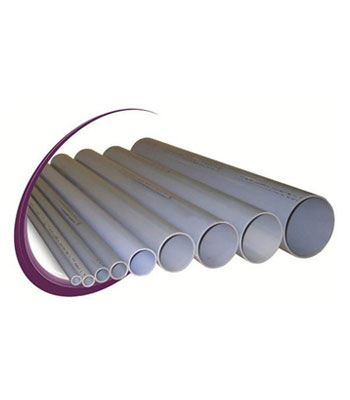
UPVC Sewer Pipes
0,00 €Introduction
Nowadays, the most of sewage pipes are made of UPVC. Polyvinyl chloride (PVC) is one of the most widely used plastics in construction and buildings which has various applications. Addition of lubricants makes this material softer and more flexible than plastics. If no lubricants or plasticizers are added to it, the resulting material is known as UPVC. The chemical resistance of this polymer has made it suitable for wide applications in different industries, especially the pipe industry. These pipes are supposed to have chemical and corrosion resistance, high elasticity modulus and flexibility, long-term tensile strength, high strength to weight ratio and wear resistance. However, it should be noted that these pipes can be fragile when exposed to cold weather. Besides, they can be deformed and lose their strength because of high temperature. Addition of appropriate nanoparticles can obviate these deficiencies and improve their properties.
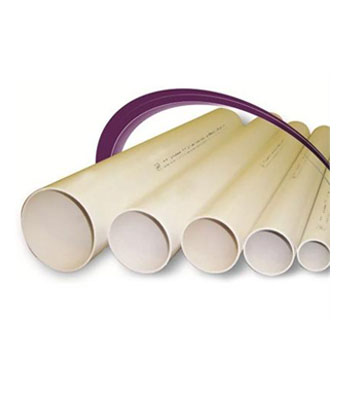
UPVC Water Supply Pipe
0,00 €Introduction
Water pipes are mainly used for water supply, sewage and drainage applications. These pipes are made of polyvinyl chloride (PVC) which widely used in buildings. Addition of lubricants makes this material softer and more flexible than plastics. If no lubricants or plasticizers are added to it, the resulting material is known as UPVC. The chemical resistance of this polymer has made it suitable for wide applications in different industries, especially the pipe industry. These pipes are supposed to have chemical and corrosion resistance, high elasticity modulus and flexibility, longterm tensile strength, high strength to weight ratio and wear resistance. However, it should be noted that these pipes can be fragile when exposed to cold weather. Besides, they can be deformed and lose their strength because of high temperature. Addition of appropriate nanoparticles can obviate these deficiencies and improve their properties.
