








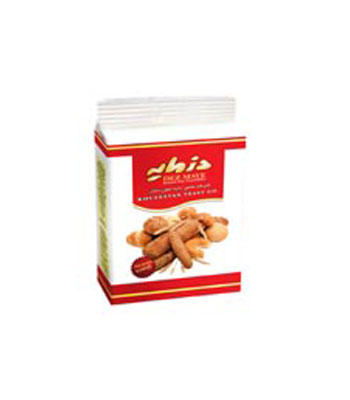
10 Kg Bags With Six Months Shelf Life Yeast
0,00 €Specifications
| Parameter |
Amount in 100 g |
|
Dry Matter |
94.5 – 96.5 gr |
|
Acidity (PH) |
4 – 6 |
| Carbohydrate |
35 – 40 gr |
| Protein | 45 – 50 g |
| Phosphate |
2 – 3 g |
|
Ash |
4 – 8 g |
Sheikh Cementless Hip Implants Orthopedic Prosthetics
0,00 €Description
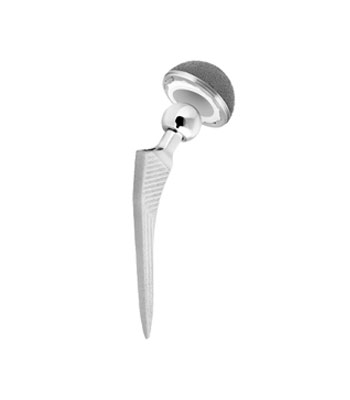
The CCD angle for the stem is common at 135ᵒ for standard offset. Sheikh total hip replacement prosthesis has trapezoidal cross-sectional proximal stem design. Trapezoidal cross-section shape of stem causes to better torsional stability in femoral bone and has major effect on the stress distribution in physiological load in gait cycle and sits to stand task than other various proximal femoral stem shapes.
Titanium alloy cementless stem is fully HA coated.
Cementless acetabular cup has a central hole in the base of the shell that is used for shell insertion. This base hole has a slot to enhance torsional manipulation of the shell during insertion.
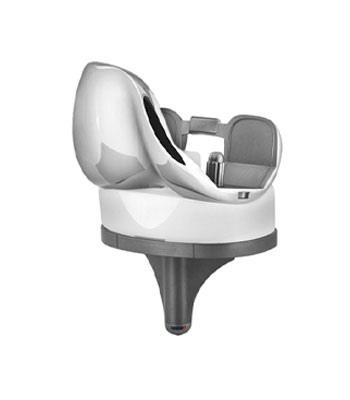
Evolis Total Knee Replacement Orthopedic Products
0,00 €Description
Evolis total knee replacement prosthesis is available in two designs:
- Posterior-Stabilized (PS) Design.
- Standard (STD) Design.
The Evolis concept is based on 3 main features:
- A compact, easy and well-designed ancillary which allows an accurate and fast surgical act, offering at the same time several operative choices as well as checks during surgery.
- Both implant design and product range are the result of a morphometric study aimed at the optimization of bone-implant surfaces.
- The choice of common profiles allows interchangeability of the sizes without compromising on maximal metal – polyethylene contact surfaces.
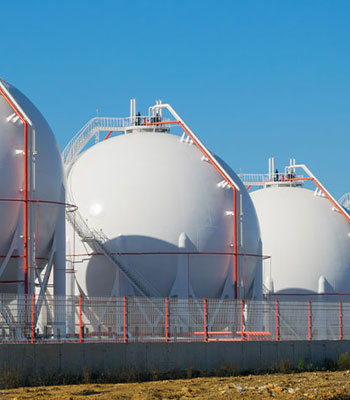
Butane Specification
0,00 €The product butane specifications are as follows:
| Capacity | 0.38 MTPA |
| Composition | |
|---|---|
| Butane Content | 95 liquid volume % (min.) |
| Pentane and heavier | 1.0 mole % (max.) |
| Quality | |
| Vapor pressure at 100 ºF | 70 psig (max.) |
| Volatile residue temp. at 95% evaporation | 36 ˚F (max.) |
| Corrosion, copper strip | No. 1 |
| Impurities | |
| Total sulfur | 0.001 wt % (max.) |
| Hydrogen Sulfide | negative |
Propane Specification
0,00 €The product propane specifications are as follows:
| Composition | |
|---|---|
| Ethane content | 2.0 liquid volume % (max.) |
| Propane content | 96 liquid volume % (min.) |
| Quality | |
| Vapor pressure at 100 ºF | 200 psig (max.) |
| Volatile residue temp. at 95% evaporation | 37 ºF (max.) |
| Butane and heavier | 2.5 % liquid volume % (max.) |
| Residue on evap. of 100 cm3 | 0.04 cm3 (max.) |
| Oil stain observation | pass |
| Corrosion, copper strip | No. 1 |
| Impurities | |
| Total sulfur | 0.001 wt % (max.) |
| Hydrogen Sulfide | negative |
| Moisture | 1 ppmv |
LNG Specification
0,00 €The product LNG specifications are as follows:
| Capacity | 10.5 MTPA |
| High Heating Value (HHV) | 1050 BTU/SCF (min.) 1170 BTU/SCF (max.) |
|---|---|
| Methane | 85 mol % (min.) |
| Nitrogen | 1.0 mol % (max.) |
| Butanes and heavier | 1.75 mol % (max.) |
| Pentanes and heavier | 0.1 mol % (max.) |
| H2S | 4.8 mg/Sm3 as S (max.) |
| Mercaptans | 6.9 mg/Sm3 as S (max.) |
| Total Sulfur | 28 mg/Sm3 (max.) |
Feedstock Composition
0,00 €The feed gas composition to Iran LNG plant is shown below:
| Components | Mol % |
|---|---|
| Carbon Dioxide | 2.53 |
| Water | 0.052 |
| Nitrogen | 4.56 |
| Hydrogen Sulfide | 1.1 |
| Methane | 83.215 |
| Ethane | 5.06 |
| C3+ | 3.483 |
| Total | 100 |
| Trace Components | ppm molar |
| Carbonyl Sulfide | 3 |
| Mercaptans | 229 |
| Mercury | 900 ng/Nm3 |
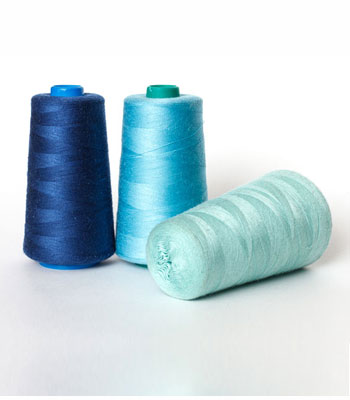
Polyester Yarn
0,00 €The largest share of produced yarns including synthetic and natural is made up of the polyester fibers. Polyester fibers, like all other synthetic fibers, are manufactured industrially. In terms of characteristics, they are good alternative for natural fibers, such as cotton. To produce polyester, the combination of dimethyl terephthalate and polyethylene glycol or terephthalic acid (a substitute for dimethyl terephthalate) is used in the vicinity of proper catalysts.
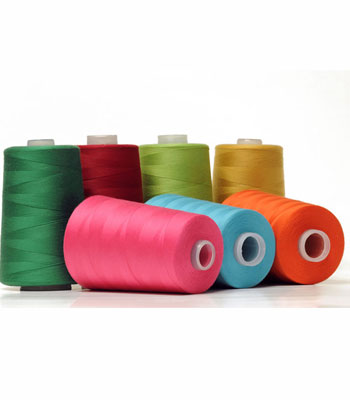
Viscose Yarn
0,00 €Viscose is a man-made fiber- recycled fiber- and is the most important member of the Rayon’s fibers family. The raw material used for production of the viscose fibers are cotton linter and wood cellulose (mainly trunks of forest trees), which is a disadvantage of the viscose fibers since it damages the environment. The cross-section of viscose fiber is wavy and with lengths similar to cotton, linen, and wool fibers.
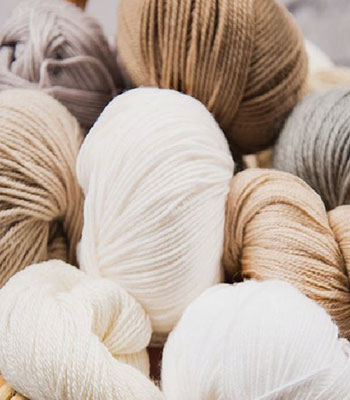
Viscose Fibers
0,00 €Viscose is a semi-natural fiber that can absorb moisture nicely and in some cases 50 % more than cotton fibers. It is good to know with absorbing moisture, the tenacity of these fibers is reduced. Therefore, if the fabric which is made of these fabrics gets wet, the tenacity of fibers weaken and the fabric life decreased. Also, viscose fibers can dye fast and can be easily dyed with several colors.

Cotton fibers
0,00 €Cotton is made from the fibers that cover the cottonseed. Cotton fibers are considered as main and natural fibers. These fibers are often used in yarns and spinning procedures. And also because of their low cost, they are broadly used in fabric making. The average length of cotton fibers is around 14-36 mm and a diameter of 15-20 mic.
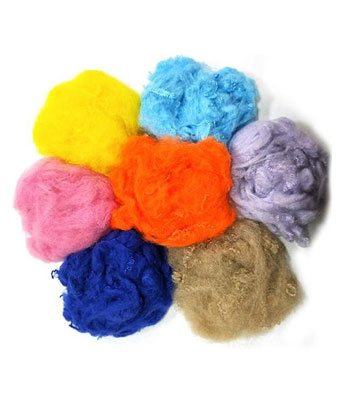
Polyester fibers
0,00 €These synthetic fibers are produced from the polymerization of the viscosity of dimethyl terephthalate or Terephthalic acid and Ethylene glycol in the procedure which is named melt spinning. Polyester fibers are found in the market with other commercial names such as Dacron and Terylene. These fibers are used in making carpets, floor coverings, and sleeping products like pillows, quilts, mattresses, and dulls. Also Polyester fibers are mainly used in garments, clothes, different types of textiles. Their resistance against constant, heavy movements and their water resistance make them count as a perfect fiber to use as an ideal fiber in wet and humid environments.
