














Fuel oil-MAZUT

0,00 

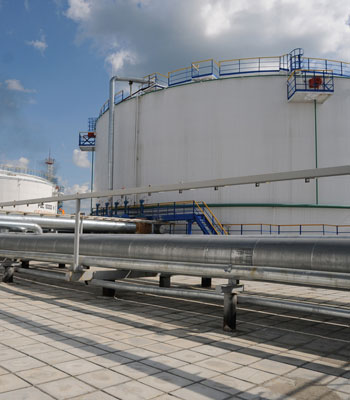
Mazut is a heavy, low quality fuel oil which is the residue from distillation of gasoline, ligroin, kerosene, and diesel oil fractions from petroleum. It comprises all residual fuel oils, including those obtained by blending. Its kinematic viscosity is above 10 cSt at 80°C. The flash point is always above 50°C and the density is always higher than 0.90 kg/l.

HYDROCHLORIC ACID

0,00 

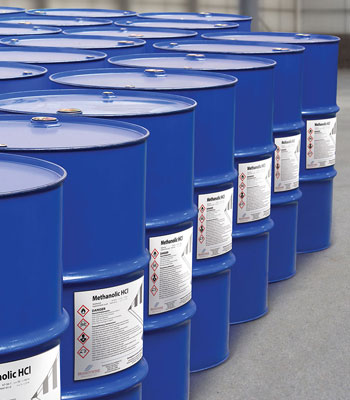
Hydrochloric acid is a colorless inorganic chemical system with the formula H2O:HCl. Hydrochloric acid has a distinctive pungent smell. It is mainly produced as a precursor to vinyl chloride for PVC. It is classified as strongly acidic and can attack the skin over a wide composition range, since the hydrogen chloride practically dissociates completely in solution.

Antibacterial Air Filter for Evaporative Cooler

0,00 

Introduction

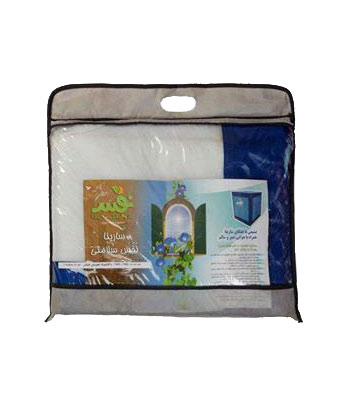
A particulate air filter is a device composed of fibrous materials which removes solid particulates such as dust, pollen, mold, and bacteria from the air. Antibacterial air filters are widely used to prevent the growth of bacteria inside the evaporative coolers; the growth of bacteria is attributed to the wet environment inside the coolers. By addition of silver nanoparticles to the filter cloth, silver ions are released within its structure and prevent the growth of bacteria. The concentration of silver ion in this product is 165 ppm.

Antibacterial Chinawear with Hydrophobic Coating

0,00 

Introduction

Washing porcelain dishes after a meal is a tedious work. During washing, greasy porcelain dishes are very slippery in hand. Also, in some cases fat stains remain after washing. Moreover, surface of a dish due to direct contact with the hands or leftovers is a good place for growth of bacteria and fungi. The aforementioned problems can be obviated with the aid of nanotechnology; to do this, chinaware with hydrophobic and antibacterial surfaces are produced by the addition of silicon and zinc nanoparticles, respectively. The chinaware produced by this company are classified in two different groups:

  • Hydrophobic chinawear
  • Antibacterial chinawear

Biodegradable Compound

0,00 

Introduction

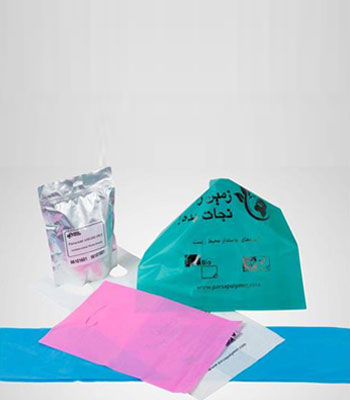
Petroleum resources are limited and the excessive use of non-biodegradable polymers has caused serious environmental problems. Therefore, degradable and/or biodegradable polymers have received more attention these days. Since synthetic polymers are expensive, the focus is mainly on natural polymers which are inherently biodegradable and can be promising candidates to meet different requirements. Among the natural polymers, starch is of main interest. It is regenerated from carbon dioxide and water by photosynthesis in plants. Due to its complete biodegradability, low cost, and renewability, starch is considered as a promising candidate for developing sustainable materials. Addition of starch to the synthetic polymers creates biodegradable feature but decreases mechanical properties. To deal with this problem, nanofibers are added to the polymers.

Lab Electrospinning Unit

0,00 

Introduction

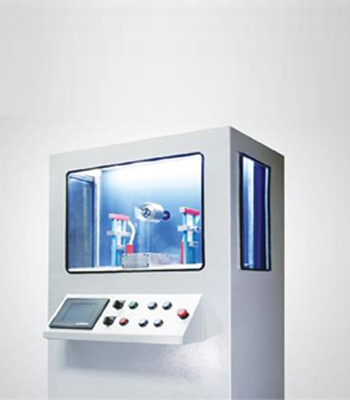
Lab Electrospinning Unit is a full-automatic laboratory electrospinning instrument which is able to produce different polymer nanofibers. This system makes use of electrostatic and mechanical force to spin fibers from the tip of a fine spinneret. The spinneret is maintained at a positive or negative charge by a DC power supply. When an applied electrostatic charge overcomes the surface tension of the solution, the polymer jet is formed. A rapidly rotating collector results in aligned nanofibers while stationary collector results in randomly oriented fiber mats.

Dip Electrospinning Unit

0,00 

Introduction

Dip electrospinning unit (needleless electrospinning) is a large-scale nanofiber producer machine. Unlike conventional electrospinning which uses needle and syringe pump for nanofiber production, in this system, a rotary spinneret is immersed into the polymer solution bath and a high strength electric field is applied to the solution bath and collector. This results in the formation of numerous jets from the spinneret and the nanofibers form on a collector.

Lab-scale Electrospinning Unit

0,00 

Introduction

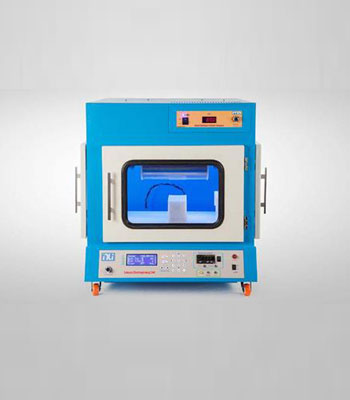
The Lab-scale Electrospinning Unit is the laboratory electrospinning equipment for efficient research and experimental work in the field of nanofibers. This system makes use of electrostatic and mechanical force to spin fibers from the tip of a fine spinneret. The spinneret is maintained at a positive or negative charge by a DC power supply. When the electrostatic repelling force overcomes the surface tension force of the polymer solution, the liquid spills out of the spinneret and forms an extremely fine continuous nanofiber.

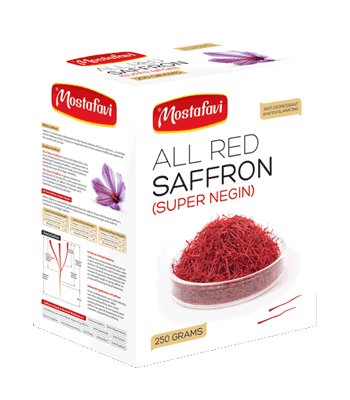
(Super Negin) 250gr

0,00 
Product name (Super Negin) 250gr
Product Code 30010056
GS1 6260634901850

Rabbi Dates

0,00 
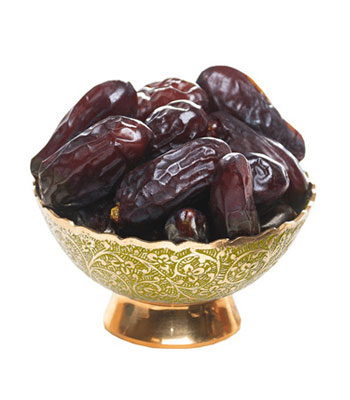
Commodity :  Rabbi Dates
Code :  IEM-1130
Type :  Fresh
Grade :  Grade A
Minimum Order :  20,000 kg
Origin :  Iran
Packing :  Bulk– Carton box 10 Kg – Packing @ Customer’s Request
Supply Ability :  100,000 Kg per Month
Sample :  Available to forward
Term Of Delivery :  EXW-FSA-FAS-FOB-CFR-CIF-CPT-CIP
Payment Term :  TT- 30 % against PI, 70 % against Draft BL
Documents :  HC,CO, BL, Packing List, Invoice & etc.
Delivery Time :  15 – 20 Days
Inspection :  Possible

Zahedi Dates

0,00 
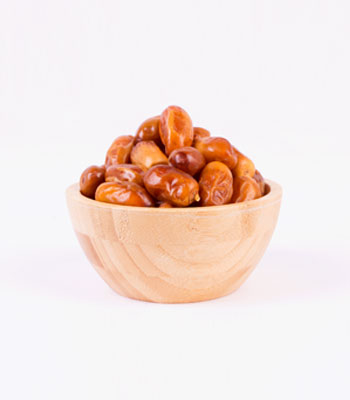
Commodity :  Zahedi Dates
Code :  IEM-1136
Type :  Semi dry
Grade :  Grade A
Minimum Order :  20,000 kg
Origin :  Iran
Packing :  Bulk– Carton box 10 Kg – Packing @ Customer’s Request
Supply Ability :  100,000 Kg per Month
Sample :  Available to forward
Term Of Delivery :  EXW-FSA-FAS-FOB-CFR-CIF-CPT-CIP
Payment Term :  TT- 30 % against PI, 70 % against Draft BL
Documents :  HC,CO, BL, Packing List, Invoice & etc.
Delivery Time :  15 – 20 Days
Inspection :  Possible

Alcohol

0,00 

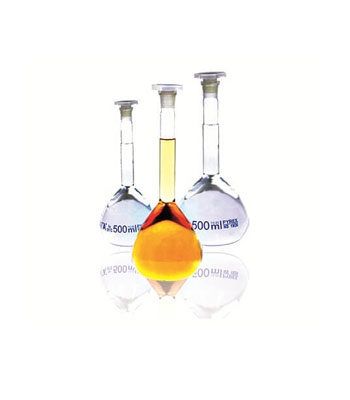
This substance is produced through the fermentation of the sugar available in sugarcane and beetroot molasses in an anaerobic environment with controlled temperature and PH by Saccharomyces cerevisiae. During the next stage, this alcoholic molasses fluid is delivered to related distillation columns for the separation of the product and finally is removed from the system with a 96.5% degree and delivered to be used in related industries.

In Chemistry, Ethanol is any chemical compound in which one hydroxyl group (–OH) that is bound to carbon has one alkyl. Ethanol is one of the most important chemical compounds and participates in various reactions and many chemical compounds are created from it.

Ethanol is a colorless and volatile fluid and has a strong odor which is resulted from the fermentation of sugar.