













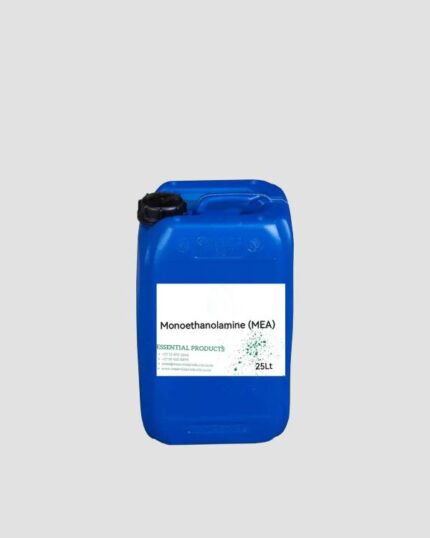
Monoethanolamine (MEA)
Monoethanolamine (MEA) is a simple ethanolamine with one primary amine and one alcohol group. It is a colorless liquid with a mild ammonia odour. MEA is mainly used in sweetening natural gas and coal gas, and as soap or amides in heavy-duty detergents. Monoethanolamine is also used in the production of ethylene amines.

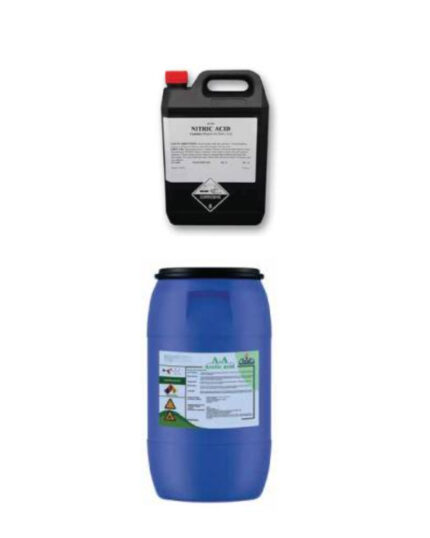
Nitric Acid
Nitric acid is a nitrogen oxoacid of formula HNO3 in which the nitrogen atom is bonded to a hydroxy group and by equivalent bonds to the remaining two oxygen atoms. It has a role as a protic solvent and a reagent.
Nitro Benzene (NB)
NB is a precursor to faric dyes and it also used to mask unpleasant odors in shoe and floor polished, lether dressing, paint solvent and other material.
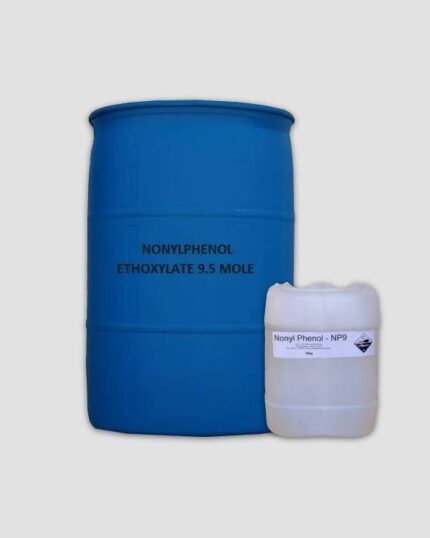
Nonylphenol Ethoxylates (NPE 9, 10, 20, 30, 40)
Nonylphenol Ethoxylates (NPEs) are nonionic surfactants which are such as all kinds of other nonionic surfactants mixtures varying in the number of repeating ethoxy groups. The digit which is appeared after the name of KENON shows the average number of ethylene oxide units in the Nonylphenol Ethoxylate molecule.
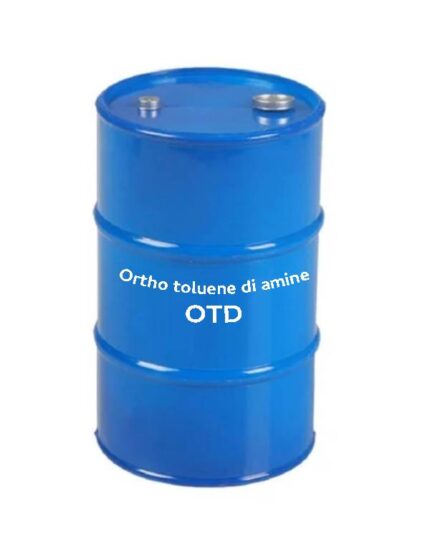
Ortho toluene di amine (OTD)
This compound, along with other toluenediamines, is used in the production of dyes, hair dyes, and other cosmetic colors.
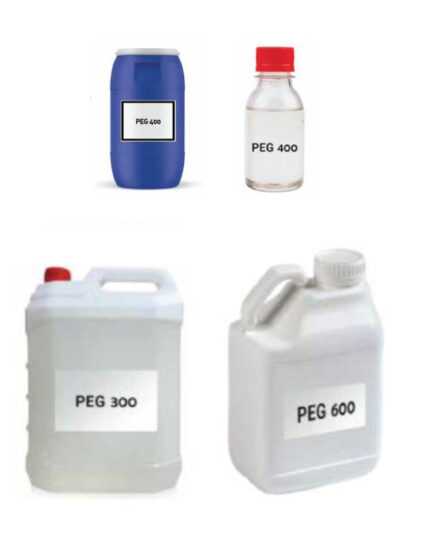
Poly Ethylene Glycol (PEG)
Polyethylene glycols (PEGs) are condensation polymers of ethylene oxide and water with the general formula H(OCH2CH2)nOH. They are the most commercially important type of polyether. The low molecular weight compounds up to 700 are colorless, odorless viscous liquids with a freezing point from -10˚C (diethylene gycol), while polymerized compounds with higher molecular weight than 1,000 are wax like solids with melting point up to 67˚C. While PEGs with different molecular weights find use in different applications and have different physical properties (e.g. viscosity) due to chain length effects, their chemical properties are nearly identical.
The numbers that are often included in the names of PEGs indicate their average molecular weights, e.g. a PEG with n=9 would have an average molecular weight of approximately 400 and would be labeled PEG 400. Most PEGs include molecules with a distribution of molecular weights, i.e. they are polydisperse.
PEGs are soluble in water and most organic solvents.
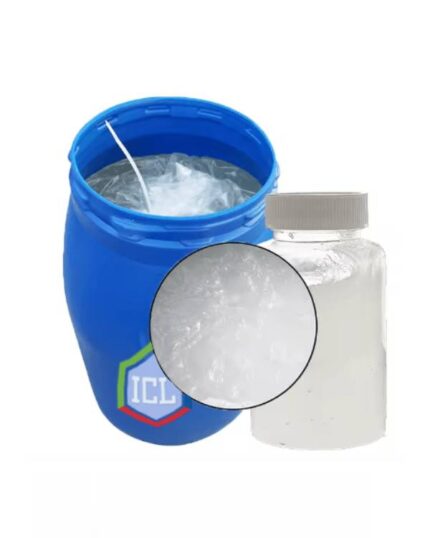
Sodium Lauryl Ether Sulfate (SLES)
Sodium lauryl ether sulfate (SLES), usually contracted as sodium laureth sulfate, and also called sodium alkylethersulfate, is an anionic detergent and surfactant found in many personal care products (soaps, shampoos, toothpaste, etc.) and for industrial uses. SLES is an inexpensive and very effective foaming agent.

Sodium Lauryl Sulfate (SLS)
Sodium lauryl sulfate (SLS) is found in shampoos, soaps, various beauty and cleaning products, and even some foods.
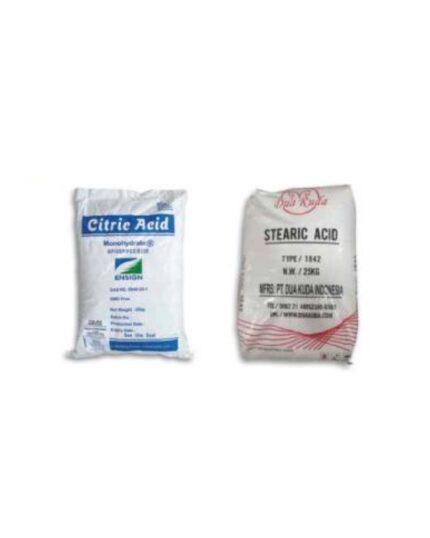
Stearic Acid
Stearic acid is a prevalent fatty acid in nature, found in many animal and vegetable fats, but is usually higher in animal fat than vegetable fat. It has a melting point of 69.4 °C (156.9 °F) °C and a pKa of 4.50. Stearic acid. Skeletal formula of stearic acid. Ball-and-stick model of stearic acid.
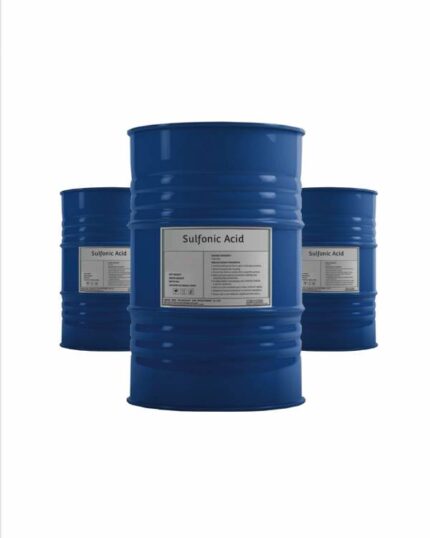
Sulfonic Acid
In organic chemistry, sulfonic acid refers to a member of the class of organosulfur compounds with the general formula R−S(=O)₂−OH, where R is an organic alkyl or aryl group and the S(=O)₂ group a sulfonyl hydroxide. As a substituent, it is known as a sulfo group.
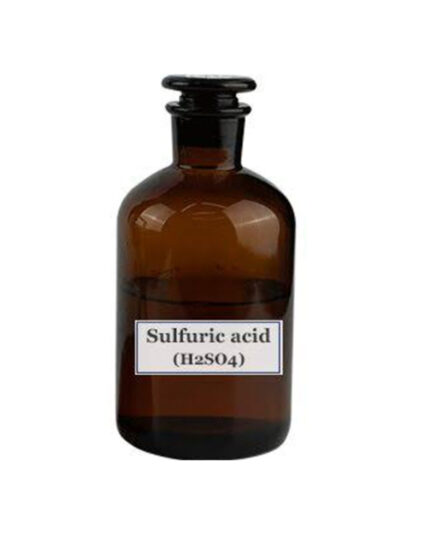
Sulfuric Acid
Sulfuric acid is a colorless oily liquid. It is soluble in water with release of heat. It is corrosive to metals and tissue. It will char wood and most other organic matter on contact, but is unlikely to cause a fire.
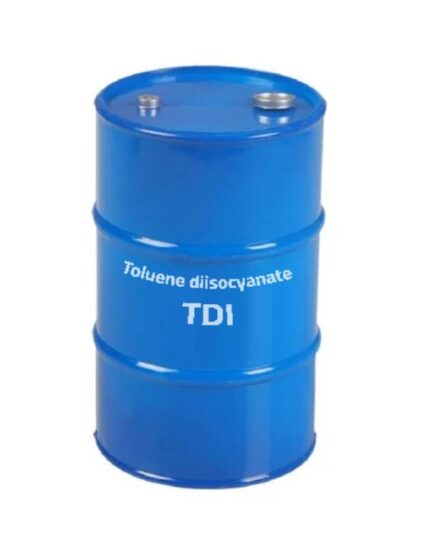
Toluene diisocyanate (TDI)
Toluene diisocyanate (TDI) is an organic compound with the formula CH 3 C 6 H 3 (NCO) 2. Two of the six possible isomers are commercially important
