














PBR TJPC
TJPC’s rubbers, produced by the solution polymerization process, have a very high elasticity and degree of resistance to dynamic stress and retain these properties even at extremely low temperature. Blending natural rubber or styrene butadiene rubber with PBR improves the abrasion resistance, crack resistance and heat build-up under dynamic load.


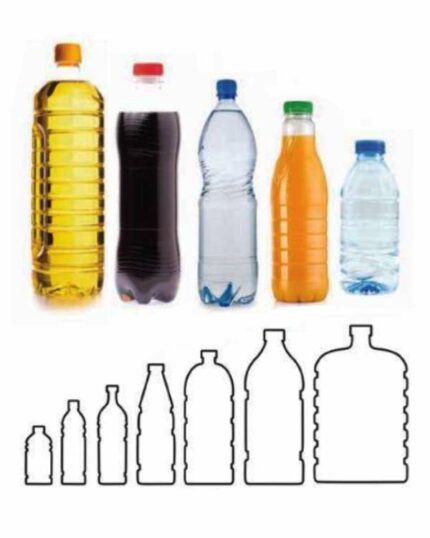
PET (Polyethylene Terephthalate)
Typical Application
- Packaging all kinds of carbonated drinks
- Packaging food
- Edible oil
- Carbonated water

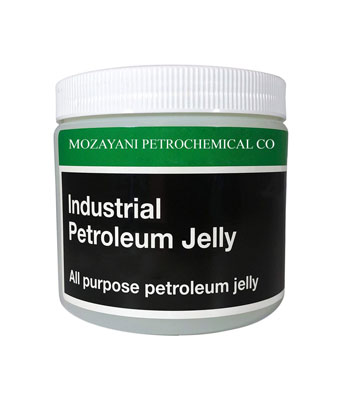
Petroleum Jelly Industrial Grade
0,00 €The petroleum jelly industrial grade is a semi-solid, translucent mixture of hydrocarbons, originally promoted as a topical ointment for petroleum jelly industrial grade healing properties. the most important element of industrial petroleum jelly is the yellow color it which is not suitable for most cosmetic or pharma factories. they need white petroleum jelly. Some ointment’s color is yellow by nature and may be suitable for industrial petroleum jelly.
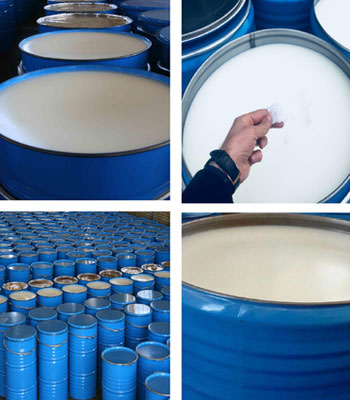
Petroleum Jelly Pharmaceutical Grade
0,00 €petroleum jelly pharma grade is a mixture of natural waxes and mineral oils that together lock moisture in the skin, moisturizing it to repair and relieve dryness. petroleum jelly pharma grade is made by the waxy petroleum material that formed on oil rigs and distilling it. petroleum jelly has been used in various ointments and as a lubricant. The history of vaseline starts in 1859. That s where oil workers had been using rod wax, an unrefined form of petroleum jelly then just a simple by-product of the drilling they were working on to heal wounded or burnt skin.
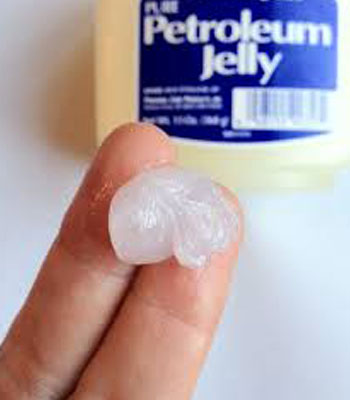
Petroleum Jelly Product Wax
0,00 €The Vaseline Story
THE VASELINE STORY Vaseline believes that truly healthy skin starts with deep healing moisture. It’s not something you get by masking problems or through quick fixes. We know this because we are the original skin experts. Founded in 1870 by Robert Cheeseburger, Vaseline has been safely helping skin heal for over 140 years.
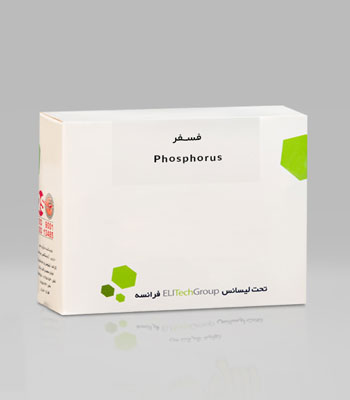
Phosphorus
0,00 €Volume (ml): 500 ml
Package Content (ml): R1:4*125
Methodology: Molybdate – UV
Measuring range: 2-20 mg/dl
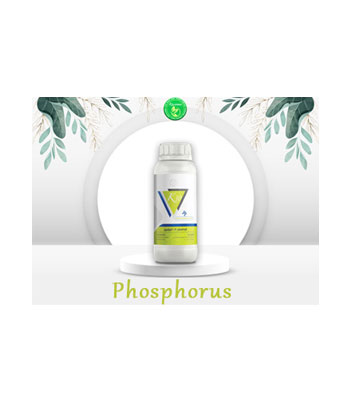
Phosphorus Fertilizer
0,00 €Phosphorus
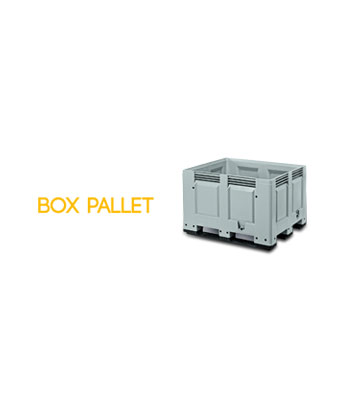
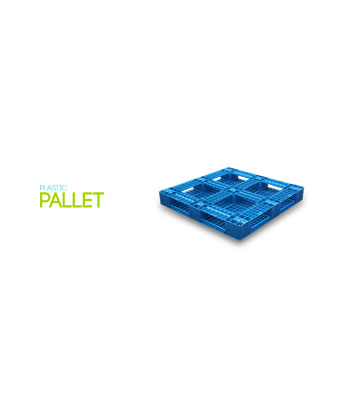
Plastic Appliances Area Polymeric
0,00 €Producers of the plastic equipment and devices used in transportation and product packaging industries are among the main usages of polymeric materials. Due to properties such as easier production capability in different shapes and dimensions along with lower prices and higher sustainability and durability, polymeric products have gained a special position in industries. Using cutting-edge equipment and having technical knowledge of its experienced experts, Plus Polymer has taken a major step in producing and developing products which comply with global standards and consumer demands. Plus Polymer is characterized by constant attention to quality and taking advantage of up-to-date technology in producing advanced masterbatches and compoundswith specific properties.
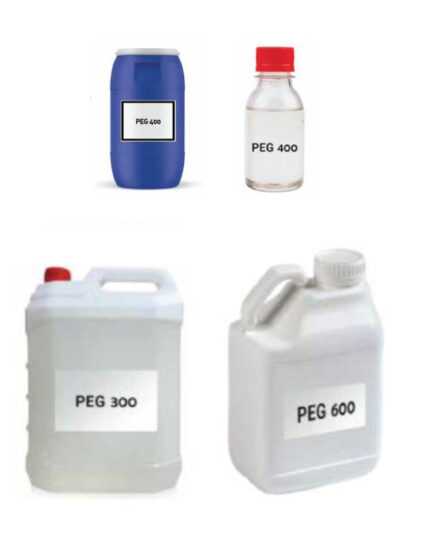
Poly Ethylene Glycol (PEG)
Polyethylene glycols (PEGs) are condensation polymers of ethylene oxide and water with the general formula H(OCH2CH2)nOH. They are the most commercially important type of polyether. The low molecular weight compounds up to 700 are colorless, odorless viscous liquids with a freezing point from -10˚C (diethylene gycol), while polymerized compounds with higher molecular weight than 1,000 are wax like solids with melting point up to 67˚C. While PEGs with different molecular weights find use in different applications and have different physical properties (e.g. viscosity) due to chain length effects, their chemical properties are nearly identical.
The numbers that are often included in the names of PEGs indicate their average molecular weights, e.g. a PEG with n=9 would have an average molecular weight of approximately 400 and would be labeled PEG 400. Most PEGs include molecules with a distribution of molecular weights, i.e. they are polydisperse.
PEGs are soluble in water and most organic solvents.
Polyamide (PA)
0,00 €| Product Title | Price | Last Update | Use | Producer |
|---|---|---|---|---|
| Polyamide PA 6 12 | – | – | Extrusion – Injection | – |
| Polyamide 12 L20L | – | – | Injectable | – |
| Polyamide 12 L16L | – | – | Injectable | – |
| Polyamide 4,6 TW 371 | – | – | Injectable | DSM |
| Polyamide 4.6 TW 341 | – | – | Injectable | DSM |
