












Emulsions-Bitumen & Tar
0,00 €Whatever the end use, application conditions usually require bitumen to behave as a mobile liquid. In principle, there are three ways to make highly-viscous bitumen into a low-viscosity liquid:
- Heat it
- Dissolve it in solvents
- Emulsify it
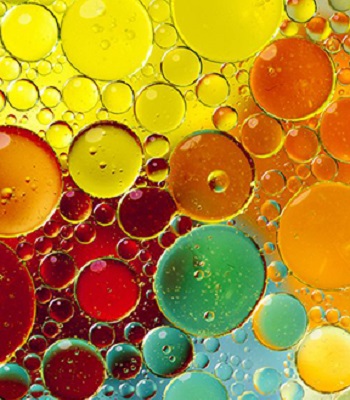
Bitumen emulsions are two-phased systems consisting of bitumen, water, and one or more additives to assist in formation and stabilization and to modify the properties of the emulsion. The bitumen is dispersed throughout the water phase in the form of discrete globules, typically 0.1 to 50 microns in diameter, which are held in suspension by electrostatic charges stabilized by an emulsifier. Bitumen emulsions can be divided into four classes. The first two are, by far, the most widely used:
- Cationic emulsions
- Anionic emulsions
- Non-ionic emulsions
- Clay-stabilized emulsions
The terms anionic and cationic stem from the electrical charges on the bitumen globules. This identification system originates from one of the fundamental laws of electricity – like charges repel, unlike charges attract. If an electrical potential is applied between two electrodes immersed in an emulsion containing negatively charged particles of bitumen, they will migrate to the anode. In that case, the emulsion is described as “anionic”. Conversely, in a system containing positively charged particles bitumen, they will move to the cathode and the emulsion is described as “cationic”. The bitumen particles in a non-ionic emulsion are neutral and, therefore, will not migrate to either pole. These types of emulsion are rarely
Bitumen emulsions are divided into three categories in terms of setting:
- Rapid-setting (RS)
- Medium-setting (MS)
- Slow-setting (SS)
Cationic RS emulsion is currently the widely used category in Iran. Emulsion setting is irreversible phenomenon which may occur due to the evaporation of the water phase or the attraction of water by stone materials. Throughout this phenomenon, the water phase disappears and bitumen particles will have less space. Then, the bitumen gradually moves towards the surface or coats the aggregate.
Cationic Emulsions
These emulsions are known as cationic because their bitumen aggregates carry positive charges by using Ammonium salts or Amines compounds. They are divided into the following categories:
7 Complete Toothpaste -Cosmetics
0,00 €|
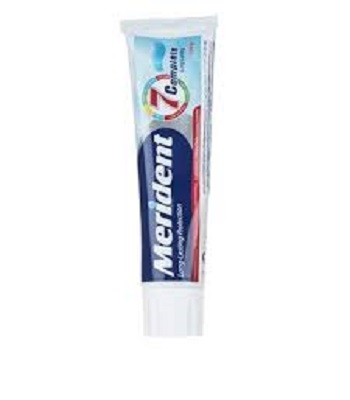
Containing an anti-bacterial substance and a polymer for deposition on tooth and gums for a long time. Therefore, with each brush with this toothpaste, the bacterial that create plaque and bad breath are removed and the teeth and gums are protected with anti-bacterial substance for 12 hours. |
| Silica and the white granules in the toothpaste help in white teeth and durability of the white colour on it. |
|
The tetra sodium phosphate by absorbing the salvia calcium ions prevents formation of calcification plaque on teeth and by injecting calcium in tooth, it helps the resistance and hardness of teeth. This product contains fluoride to prevent dental decay and has mint flavour for minty breath and cooling oral cavity. |
Cement Type 1-325
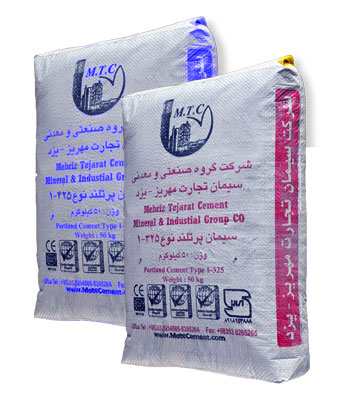
0,00 €Having a strength class of 325 kg/cm2 and due to its chemical properties, this kind of cement is used in general applications and in all places where no special properties of concrete are considered, e.g., preparation of mortars and concrete structures.
Cement Type 5
0,00 €This kind of cement is resistant to sulfate attack. For this, it is used in all places where this property is considered. Portland cement type 2 is generally used when the soil with water that is in contact with the concrete building has a large volume of sulfate salts.
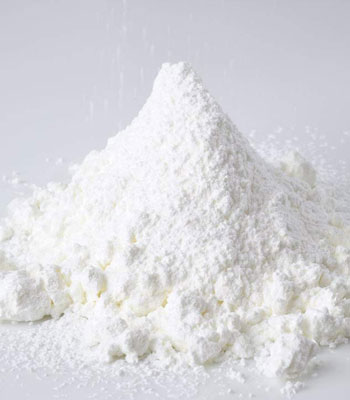
White Portland Cement
0,00 €
Product |
White Portland Cement |
Standard |
EN 197-1, 52.5 |
Packing |
50 Kg PP Bag/ 1,500 Kg Jumbo Bag |
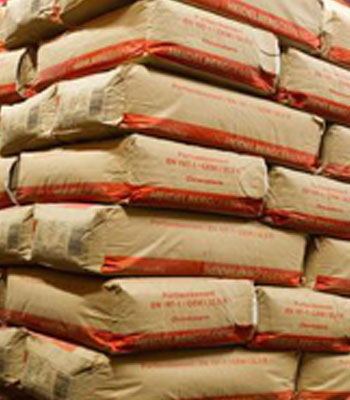
Grey Ordinary Portland Cement Type 1-425
0,00 €| Product |
Grey Ordinary Portland Cement Type 1-425 |
Standard |
ASTM C150-05 |
Packing |
50 Kg PP Bag/ 1,500 Kg Jumbo Bag |
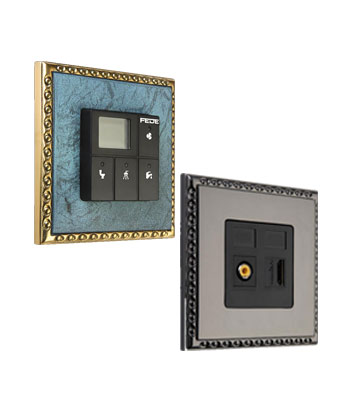
FEDE Toledo Switch and Socket
0,00 €Toledo switch and socket frame has been designed by creating very elegant textures and arts in margin of brass alloy frame. Having very few artistic drawing and paintings, this model of lighting switch & socket frame, can be used in both modern or classic environments. Having a vast spectrum of colors, “emerald green” is one of the most special colors which is an ideal option for classic decors. The color-scheme of this switch & socket frames are as following; bright & mat gold, bright & mat patina and bright chrome, graphite, and emerald green.
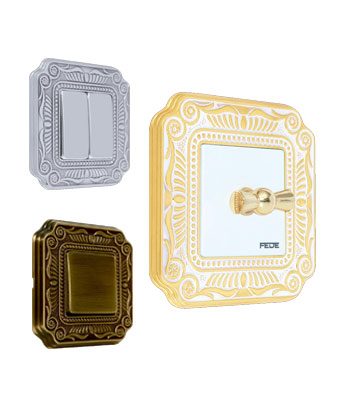
Firenze Switch and Socket
0,00 €One of the most recent ideas in design and decoration, is to use similar decorative designs for switch & socket and halogen. Firenze switch & socket from Toscana collection has a unique, special, and elegant design. Using this type of switch & socket can give you a sense of peace and harmony in your designed area. Firenze switch & socket lighting frames are made of brass alloy and handmade coating in different colors of bright gold, bright chrome, bright patina, white and gold patina. FEDE Siena series price list can be easily received by going to FEDE social network channels online.
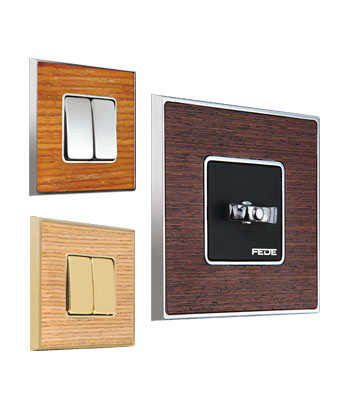
FEDE Wood Switch and Socket
0,00 €The switch and socket of “Belle Epoque” collection is made of high quality materials. “Wood” Switch & Socket of “Belle Epoque” collection will make you feel the natural sense of “wood” in your interior decoration, since it has been made of natural wood with premium quality brass alloy. Utilizing natural wood with dark colors, give you a warm and nice experience, and can be easier matched with your furniture. Any environment has got its characteristic, and since the wooden switch & socket frames has a vast verity in decoration, so it can be matched with and style and design. Cherry wood, Oak, and Wenge are the types which has been used in Fede wooden switch & socket frames.
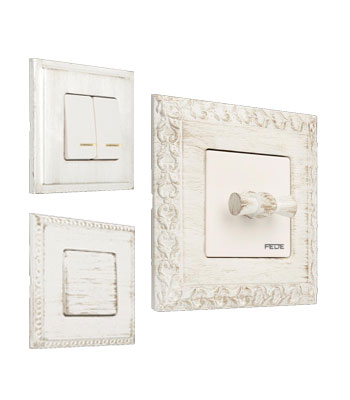
Provence Switch and Socket frame
0,00 €“Provence” switch & socket frame is of very distinct models of classic switch & socket series. The handmade coating and design of Provence switch & socket frame has been done with applying white patina on brass alloy base. Patina coating has been applied to all of 5 classic collection series, so they would be suitable and proper for both classic and modern places.
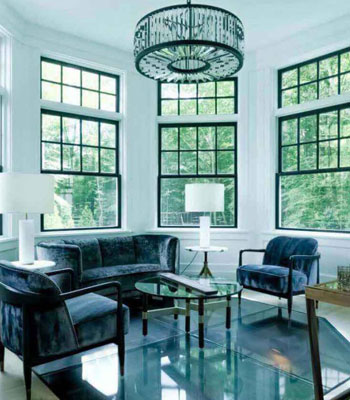
Sheet Glass
0,00 €Since first half of the 20th Century, sheet glass has been made by rolling or drawing. Rolling involves passing molten glass from a tank furnace over a refractory lip and between rollers.

Laminated Glass
0,00 €Laminated glass is produced by combining two or more sheets of float glass with one or more interlayers and is processed by autoclaving at 1400°C and pressure up to 14 bar. Polyvinyl Butyral (PVB) is the most common interlayer used in laminated glass.
