













PlasmaDEJ (Textile Plasma Processing Unit)
0,00 €Introduction
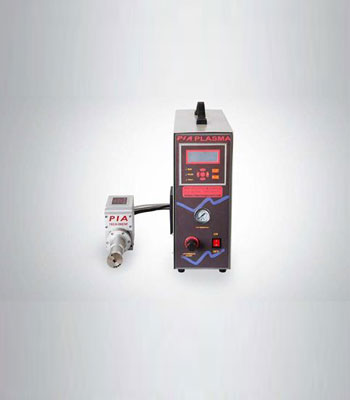
Plasma Jet
0,00 €Introduction
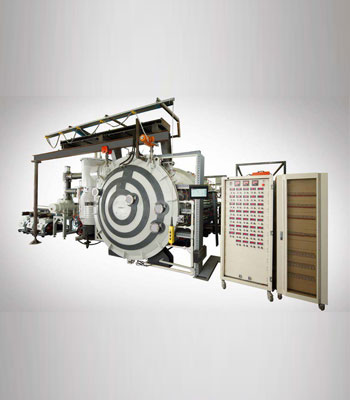
Cathodic Arc Deposition System
0,00 €Introduction

Wear & Erosion resistant Super hard Nanolayer & Nanocomposite Coatings
0,00 €Introduction

Wear & Corrosion resistant Super hard Nanolayer & Nanocomposite Coatings
0,00 €Introduction
Wear- and corrosion-resistant super-hard nanolayer and nanocomposite coatings are widely applied onto the surface of the turbine and compressor blades in the oil, gas and aerospace industries as an alternative for the conventional coatings. It is worth mentioning that the deposition of above-mentioned coatings is performed by using a Hybrid PVD system which operates based on both cathodic arc and sputtering processes.

Zirconium-based Nanoceramic Conversion Coating
0,00 €Introduction
Zirconium-based conversion coating, as a suitable alternative for common phosphate and chromate coatings, are widely applied on metallic surfaces to promote the paint adhesion and improve the corrosion performance. These coatings are based on the eco-friendly compounds; furthermore, the main advantage of these coatings is no need for thermal energy which consequently leads to cost reduction.
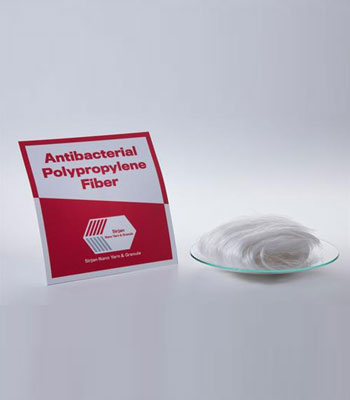
Antibacterial Polypropylene Fiber
0,00 €Introduction
This product is zinc oxide/polypropylene nanocomposite fibers, which due to the presence of zinc oxide nanoparticles show antibacterial properties. The use of zinc oxide nanoparticles in destroying the bacteria has considerable applications. Due to the presence of zinc oxide nanoparticles inside the polymeric network of the yarn, the rate of releasing nanoparticle is very low; so the long-term antibacterial effect of this product is considerable.
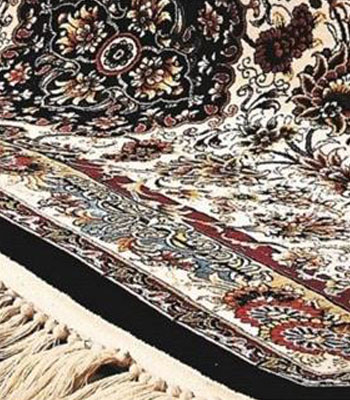
Antibacterial Machine-made Carpet
0,00 €Introduction
Carpet is a key decorative element which provides the principles of decoration via the use of color and texture. Recently, the carpet industry has lost market share because based on the findings, covering a floor with a carpet increases the illness, asthma and allergies. The use of soft floor coverings in schools, hospitals and other health care facilities has long been controversial as carpet is thought to contribute to the presence of microorganisms in the indoor environment. Indoor air is a complex mixture of bio-aerosols and non-biological particles. Among the most important of these are human and animal occupants that shed skin scales and other fragments, mold spores, viruses, and bacteria. Two types of antimicrobial treatments exist for carpets and coatings. The first type is used in the manufacturing process. The other type is an antimicrobial additive incorporated in a treatment of the carpet fibers during manufacturing.
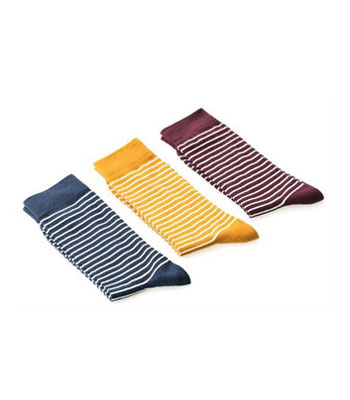
Antibacterial Socks
0,00 €Introduction
When feet perspire, bacteria thrive in the damp fibers and where bacteria thrive, odor thrives too. Therefore, socks are good places for growth of bacteria and creation of diseases. Wearing antibacterial socks can prevent foot-related infections and diseases. By increasing the importance of foot health, the socks containing silver nanoparticles have brought many benefits to the consumers. Nanoparticles including silver and zinc oxide nanoparticles eliminate the bacteria, and consequently remove the bad smells.
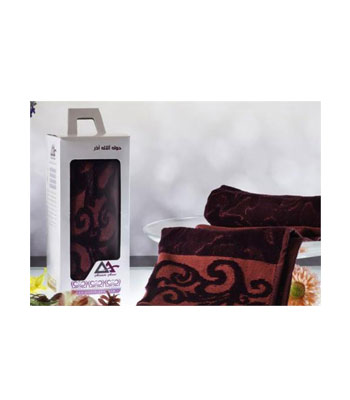
Alaleh Azar Antibacterial Towel
0,00 €Introduction
With growth in world population and the spread of disease, the number of antibiotic resistant microorganisms is rising along with the occurrence of infections from these microorganisms. By raising the health awareness, some people have focused their attention on educating and protecting themselves against harmful pathogens. In the textile industry, it soon became more important for antimicrobial finished textiles to protect the wearer from bacteria than it was to simply protect the garment from fiber degradation. The need for antimicrobial textiles goes hand-in-hand with the rise in resistant strains of micro-organisms. Towel picks up allergens, germs, and bacteria, locking them deep within the textile’s fibers. By addition of silver, the silver ions attack the bacteria inside the texture and prevent their growth.
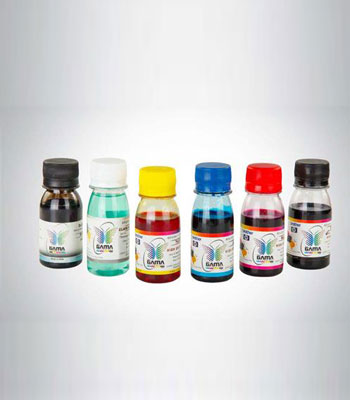
Water-based Inkjet Ink Formulated with Pigment Nanoparticles
0,00 €Introduction
Ink is a liquid or paste that contains pigments or dyes and is used to color a surface to produce an image, text, or design. Ink can be a complex medium, composed of solvents, pigments, dyes, resins, lubricants, solubilizers, surfactants, particulate matter, fluorescents, and other materials. Pigment inks are used more frequently than dyes because they are more color-fast, but they are also more expensive, less consistent in color, and have limited color range than dyes. Pigments are solid, opaque particles suspended in ink to provide color. Pigment molecules typically link together in crystalline structures that are 0.1-2 μm in size and comprise 5-30 percent of the ink volume. Qualities such as hue, saturation, and lightness vary depending on the source and type of pigment.
