













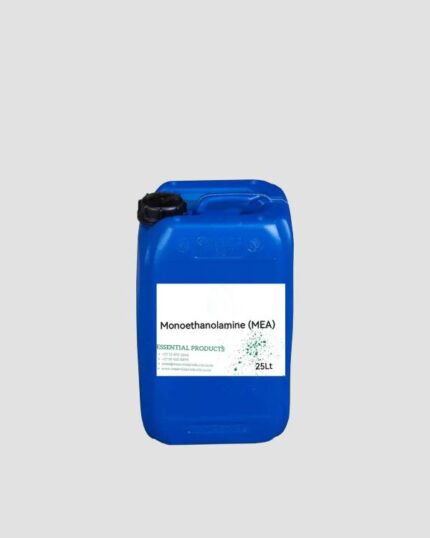
Monoethanolamine (MEA)
Monoethanolamine (MEA) is a simple ethanolamine with one primary amine and one alcohol group. It is a colorless liquid with a mild ammonia odour. MEA is mainly used in sweetening natural gas and coal gas, and as soap or amides in heavy-duty detergents. Monoethanolamine is also used in the production of ethylene amines.

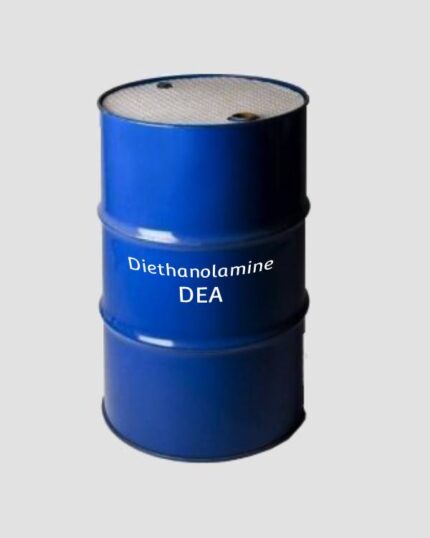
Diethanolamine (DEA)
Diethanolamine contains a secondary amine and two alcohol groups. It is a viscous liquid with a freezing point of 28 ºC. It is mainly used for gas sweetening and in the manufacture of light-duty detergents and shampoos and can be cyclized to morpholine.
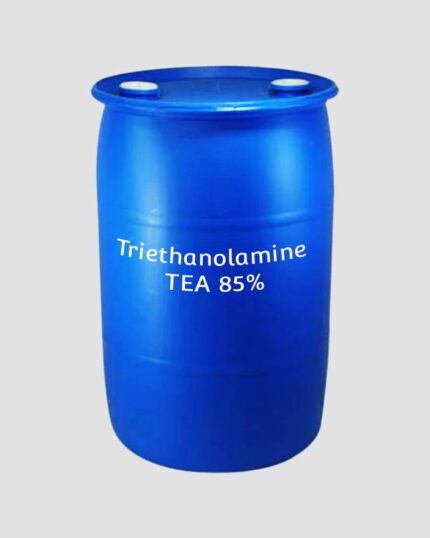
Triethanolamine (TEA – 85%)
Triethanolamine 85% (TEA 85%) is a viscous organic compound. It is both a tertiary amine and a triol. It is produced from reacting ethylene oxide with aqueous ammonia. Triethanolamine 85% (TEA 85%) is a colorless to yellow liquid.
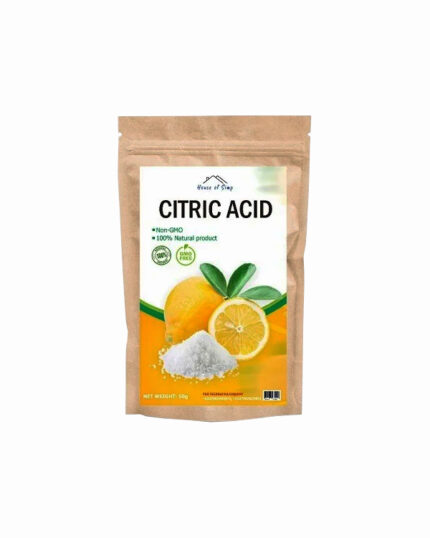
Citric Acid
Citric acid is an organic compound with the formula C 6H 8O 7. It is a colorless weak organic acid. It occurs naturally in citrus fruits. In biochemistry, it is an intermediate in the citric acid cycle, which occurs in the metabolism of all aerobic organisms. Citric acid.
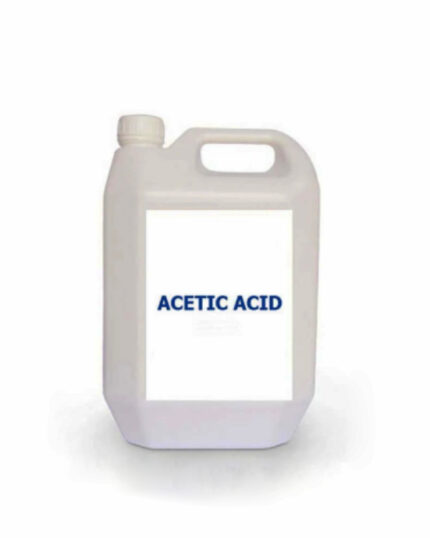
Acetic Acid (AA)
ACETIC ACID (AA), CH3COOH , is a colourless liquid with a distinct sour taste. Although most commonly known as vinegar, this acid also has a wide variety of other uses across multiple industries. Acetic acid is an organic compound and a colourless liquid.
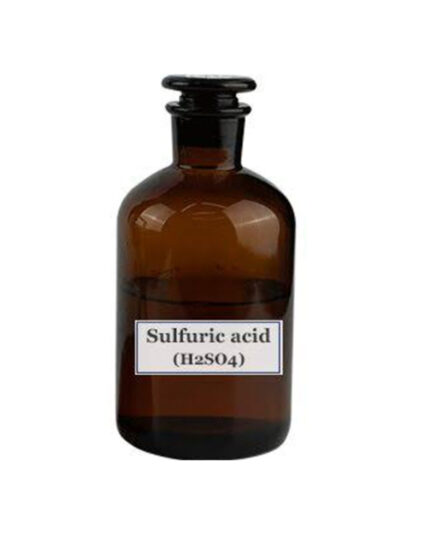
Sulfuric Acid
Sulfuric acid is a colorless oily liquid. It is soluble in water with release of heat. It is corrosive to metals and tissue. It will char wood and most other organic matter on contact, but is unlikely to cause a fire.
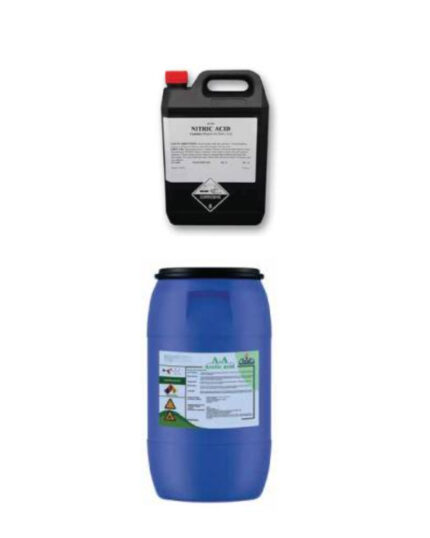
Nitric Acid
Nitric acid is a nitrogen oxoacid of formula HNO3 in which the nitrogen atom is bonded to a hydroxy group and by equivalent bonds to the remaining two oxygen atoms. It has a role as a protic solvent and a reagent.
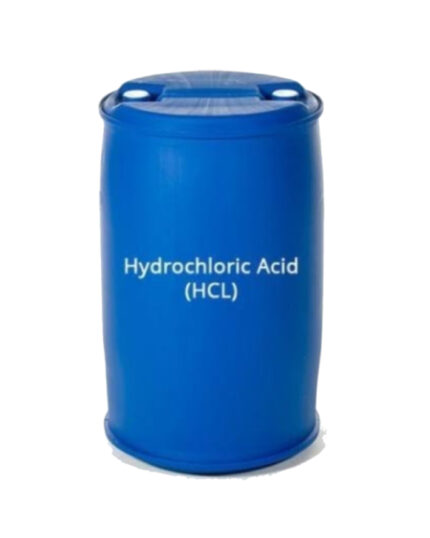
Hydrochloric Acid (HCl)
Hydrochloric acid, also known as muriatic acid or spirits of salt, is an aqueous solution of hydrogen chloride. It is a colorless solution with a distinctive pungent smell. It is classified as a strong acid. It is a component of the gastric acid in the digestive systems of most animal species, including humans.
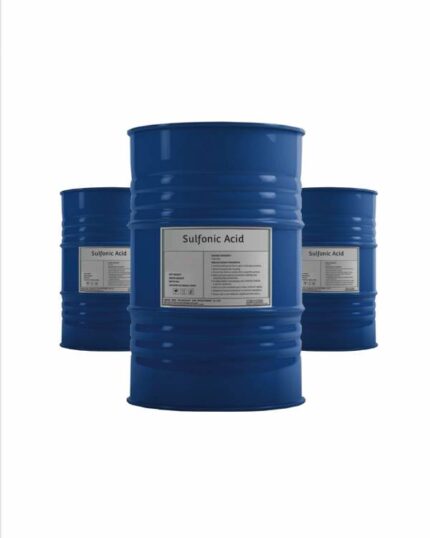
Sulfonic Acid
In organic chemistry, sulfonic acid refers to a member of the class of organosulfur compounds with the general formula R−S(=O)₂−OH, where R is an organic alkyl or aryl group and the S(=O)₂ group a sulfonyl hydroxide. As a substituent, it is known as a sulfo group.
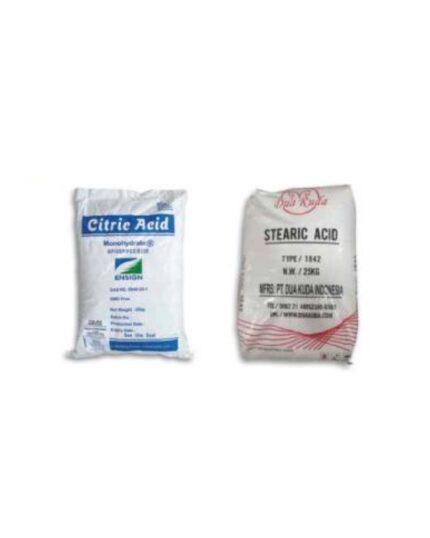
Stearic Acid
Stearic acid is a prevalent fatty acid in nature, found in many animal and vegetable fats, but is usually higher in animal fat than vegetable fat. It has a melting point of 69.4 °C (156.9 °F) °C and a pKa of 4.50. Stearic acid. Skeletal formula of stearic acid. Ball-and-stick model of stearic acid.
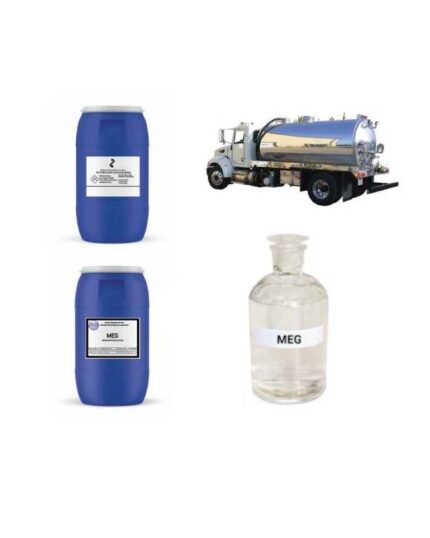
Mono Ethylene Glycol (MEG)
Monoethylene glycol (MEG) is an odorless, colorless, clear and viscose liquid with a sweet taste, which is produced from the reaction between water and ethylene oxide. It is miscible with water, alcohols, and many organic compounds, and has the chemical formula of C2H6O2.
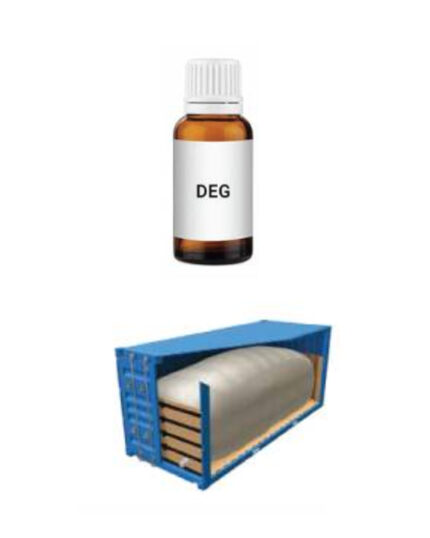
Di Ethylene Glycol (DEG)
Diethylene Glycol (commonly abbreviated as DEG) is an organic compound with the chemical formula C₄H₁₀O₃. It is a colourless, odourless, and hygroscopic liquid with a sweet taste, typically miscible with water, alcohol, and many organic solvents.
