












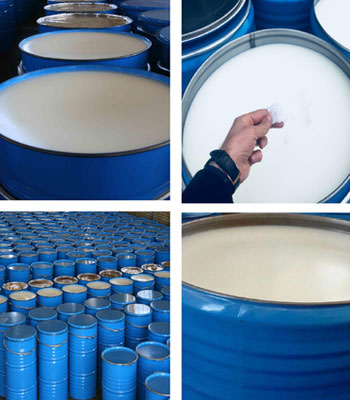
Petroleum Jelly Pharmaceutical Grade
0,00 €petroleum jelly pharma grade is a mixture of natural waxes and mineral oils that together lock moisture in the skin, moisturizing it to repair and relieve dryness. petroleum jelly pharma grade is made by the waxy petroleum material that formed on oil rigs and distilling it. petroleum jelly has been used in various ointments and as a lubricant. The history of vaseline starts in 1859. That s where oil workers had been using rod wax, an unrefined form of petroleum jelly then just a simple by-product of the drilling they were working on to heal wounded or burnt skin.
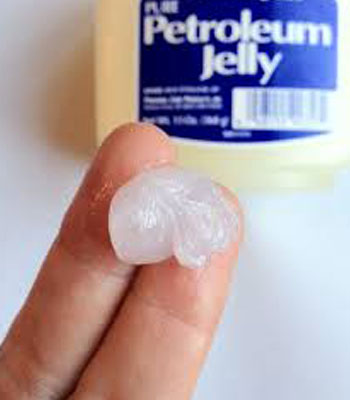
Petroleum Jelly Product Wax
0,00 €The Vaseline Story
THE VASELINE STORY Vaseline believes that truly healthy skin starts with deep healing moisture. It’s not something you get by masking problems or through quick fixes. We know this because we are the original skin experts. Founded in 1870 by Robert Cheeseburger, Vaseline has been safely helping skin heal for over 140 years.
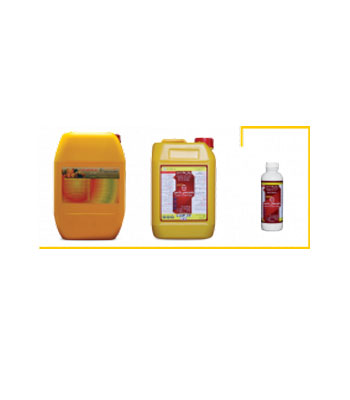
Petroleum Oils L80%
0,00 €Liquid, soluble in water
The petroleum emulsifiable are effective as contact herbicide and acaricide and belong to the aliphatic hydrocarbons group. If mixed with chemical poisons, it will intensify the effectiveness of poison (synergism) and adhering of poison on plants and pests.
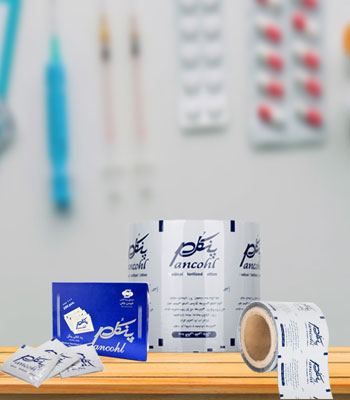
Pharmaceutical Grade Sachet Packaging & Printing
0,00 €In pharmaceutical industry, sachets are used for various kinds of dry drugs and diet supplements. These sachets have laminated layers which prevent penetration of microbes. Such act will bring about a proper and ideal packaging for the pharmaceutical products.
Advantages of Pharmaceutical Sachets:
- Proper Sealing
- Leakage Reduction
- Friction resistant
- Resistant against light, moisture, and transmission of gas of any types
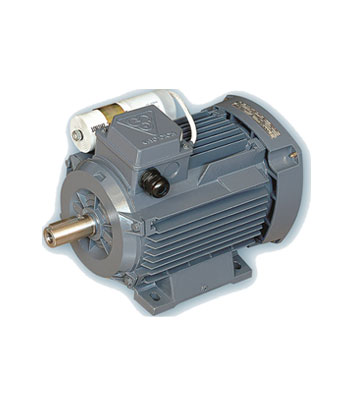
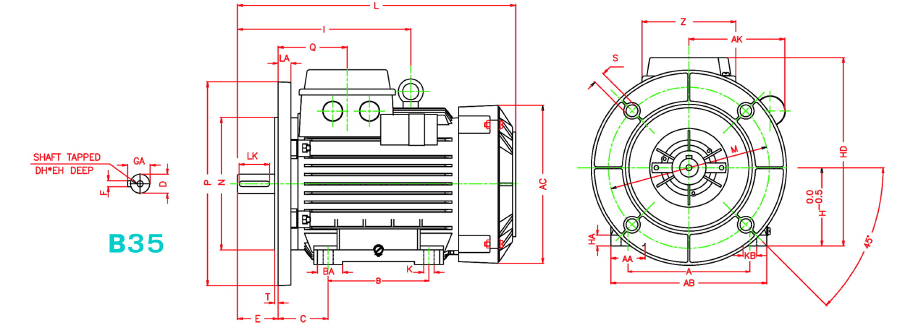
Phase Capacitor Run Electro Motors
0,00 €Dimension (Foot mounting – Flange mounting)
| Frame No.IEC | T | S | P | N | M | LA | AK | HD | H | C | B | BA | K | KB | AB | A | AA | HA | AC | Z | Q | I | L | E | EH | DH | GA | LK | F | D | FLANGE SYS.IEC 72-1 |
|---|---|---|---|---|---|---|---|---|---|---|---|---|---|---|---|---|---|---|---|---|---|---|---|---|---|---|---|---|---|---|---|
| 56 | 3 | 7 | 120 | 80 | 100 | 8 | 105 | 145 | 56 | 36 | 71 | 19 | 6 | 10 | 112 | 90 | 22 | 10 | 106 | 76 | 55.5 | – | 189 | 20 | – | – | 10.2 | 12 | 3 | 9 | FF100 |
| 63 | 3 | 10 | 140 | 95 | 115 | 10 | 106 | 158 | 63 | 40 | 80 | 25 | 7 | 10 | 125 | 100 | 25 | 10 | 123 | 76 | 54.5 | – | 214 | 23 | – | – | 12.5 | 12 | 4 | 11 | FF115 |
| 71 | 3.5 | 10 | 160 | 110 | 130 | 10 | 110 | 175 | 71 | 45 | 90 | 18 | 7 | 10 | 140 | 112 | 28 | 11 | 138 | 76 | 58 | – | 241 | 30 | – | – | 16 | 18 | 5 | 14 | FF130 |
| 80 | 3.5 | 12 | 200 | 130 | 165 | 12 | 130 | 194 | 80 | 50 | 100 | 25 | 10 | 14 | 160 | 125 | 35 | 11 | 156 | 96 | 68.5 | – | 276 | 40 | – | – | 21.5 | 25 | 6 | 19 | FF165 |
| 90L | 3.5 | 12 | 200 | 130 | 165 | 12 | 137 | 215 | 90 | 56 | 125 | 30 | 10 | 14 | 182 | 140 | 43.3 | 12 | 175 | 96 | 70.5 | – | 325 | 50 | 19 | M8 | 27 | 32 | 8 | 24 | FF165 |
| 100L | 4 | 15 | 250 | 180 | 215 | 12 | 145 | 233 | 100 | 63 | 140 | 35 | 12 | 17 | 200 | 160 | 40 | 12 | 194 | 96 | 73.5 | – | 366 | 60 | 22 | M10 | 31 | 40 | 8 | 28 | FF215 |
| 112M | 4 | 15 | 250 | 180 | 215 | 12 | 155 | 256 | 112 | 70 | 140 | 35 | 12 | 17 | 235 | 190 | 45 | 13 | 217 | 96 | 76.5 | 200 | 384 | 60 | 22 | M10 | 31 | 40 | 8 | 28 | FF215 |
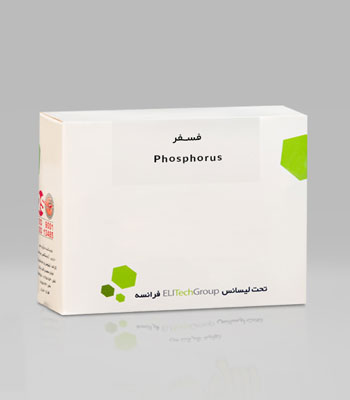
Phosphorus
0,00 €Volume (ml): 500 ml
Package Content (ml): R1:4*125
Methodology: Molybdate – UV
Measuring range: 2-20 mg/dl
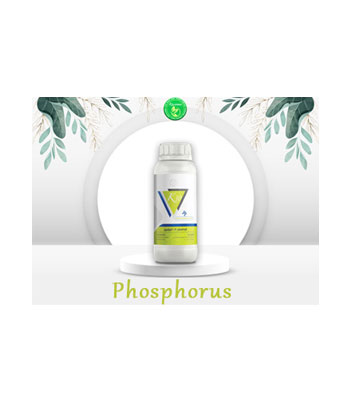
Phosphorus Fertilizer
0,00 €Phosphorus

Piaggio – Beverly S 249 ABS – Motorcycle
0,00 €| ENGINE | |
| ENGINE TYPE | Single cylinder, 4-stroke, 4-valve |
| MAXPOWER | 14.4 kW (19.6 hp) at 7493 rpm |
| TRANSMISSION | CVT |
| DISPLACEMENT | 249 cc |
Pig Iron
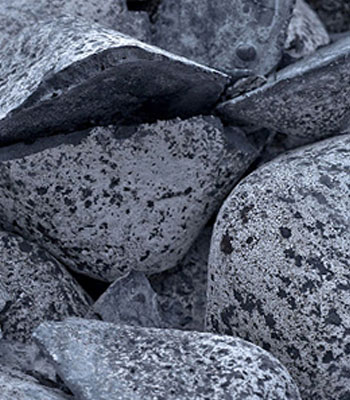
0,00 €Blast furnace is same as blast furnace cast iron that should be changed in order to be transformed to other iron derivatives. Blast furnace cast iron usually has impurities that are again melted to be changed into other ingot or casting parts and is casted again after Refining and alloying operations.

Pigment dyes
0,00 €Pigment dyes do not have any tendency of absorption or permeation in fabrics for this reason with the help of a special glue called binder they will be attached to the fabrics. With attention to the fact that dyes attach to the fabrics; after the process of dying, there is no need to wash the fabric and makes this method so cost-effective. Other characteristic to be mentioned: Printing of pigment usually is done on low-price fabrics. Their rubbing fastness is very high. Working with these dyes does not require any extra effort.